
Article
Millennials Are Going to Dine Out 14 Times a Month in 2026
Millennials plan to dine out 14 times a month in 2026, well above the 10-times average across all Americans. 55% say they will spend even more on restaurants next year. The generation restaurants most need to design a dine-in experience for has already told OpenTable who they are.
- Published
- April 17, 2025
- Updated
- June 18, 2026
- Reading time
- 7 min
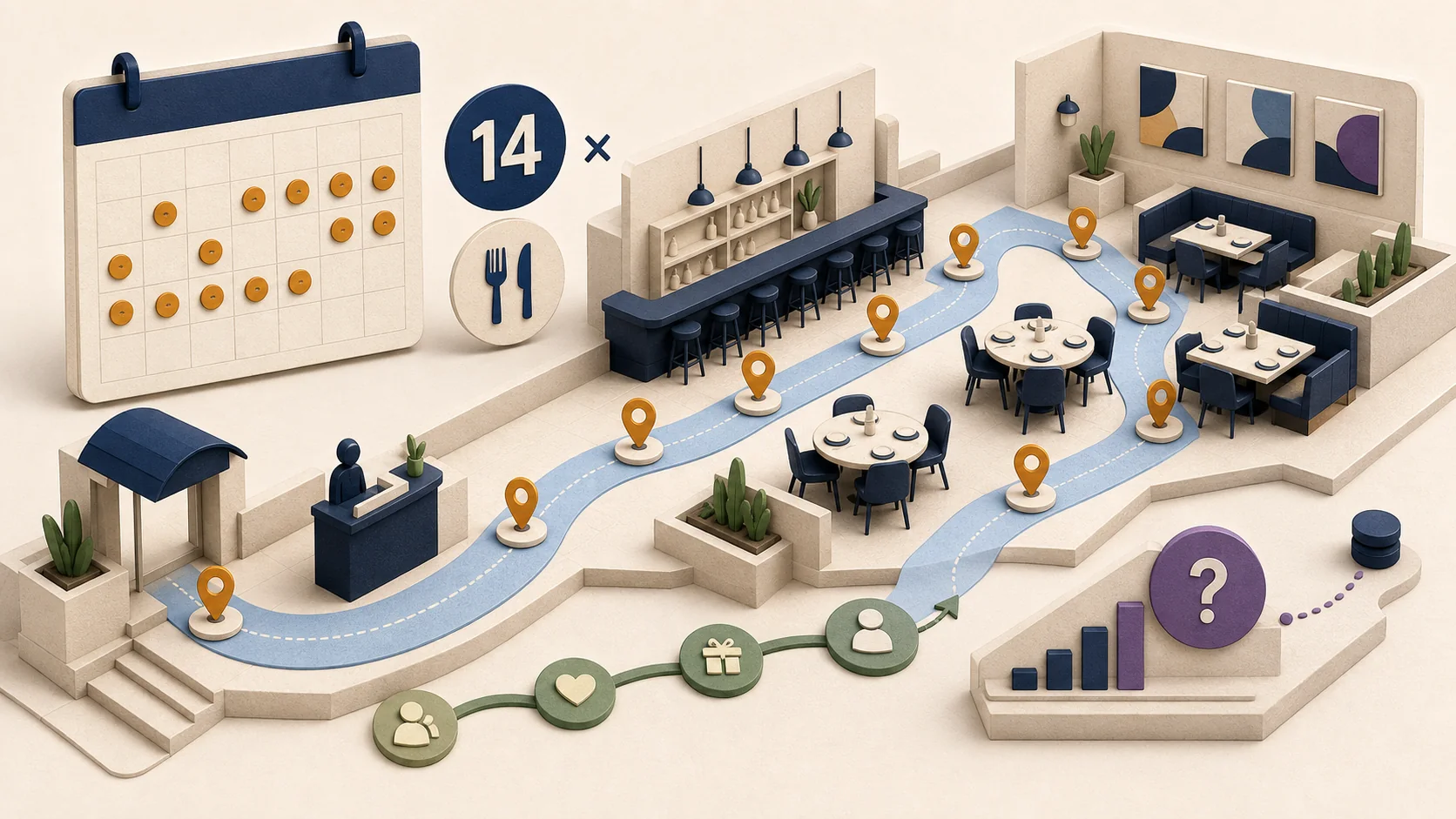
2026 updated analysis
What changed since the original article
This page keeps the original Transformidy article as the canonical record and leads with the current interpretation, source notes, and Revenue Unknown framing.
14 Visits a Month, and 55% Spending More
The 14-versus-10 gap is a meaningful signal on its own: millennials are dining out roughly 40% more often than the national average, meaning the "average diner" figure most restaurants might use for planning purposes actually understates the behavior of the generation most likely to be a frequent, repeat guest. A restaurant benchmarking its own visit-frequency goals against the flattened national number is setting a lower bar than the data shows its most active potential customer segment is already exceeding.
The spending willingness figure adds a second dimension: this is not simply a story of one generation visiting more often at flat spend levels. 55% of Americans overall plan to spend more on restaurants next year, and a related OpenTable finding shows over half of respondents willing to pay a premium specifically for a one-of-a-kind dining experience, meaning frequency and willingness to pay a premium are both rising simultaneously, not trading off against each other.
Millennial monthly dine-out visits vs. the national average across all Americans
55% of Americans overall say they will spend even more on restaurants in 2026.
Designing for the Average Diner vs. Designing for the Frequent Guest
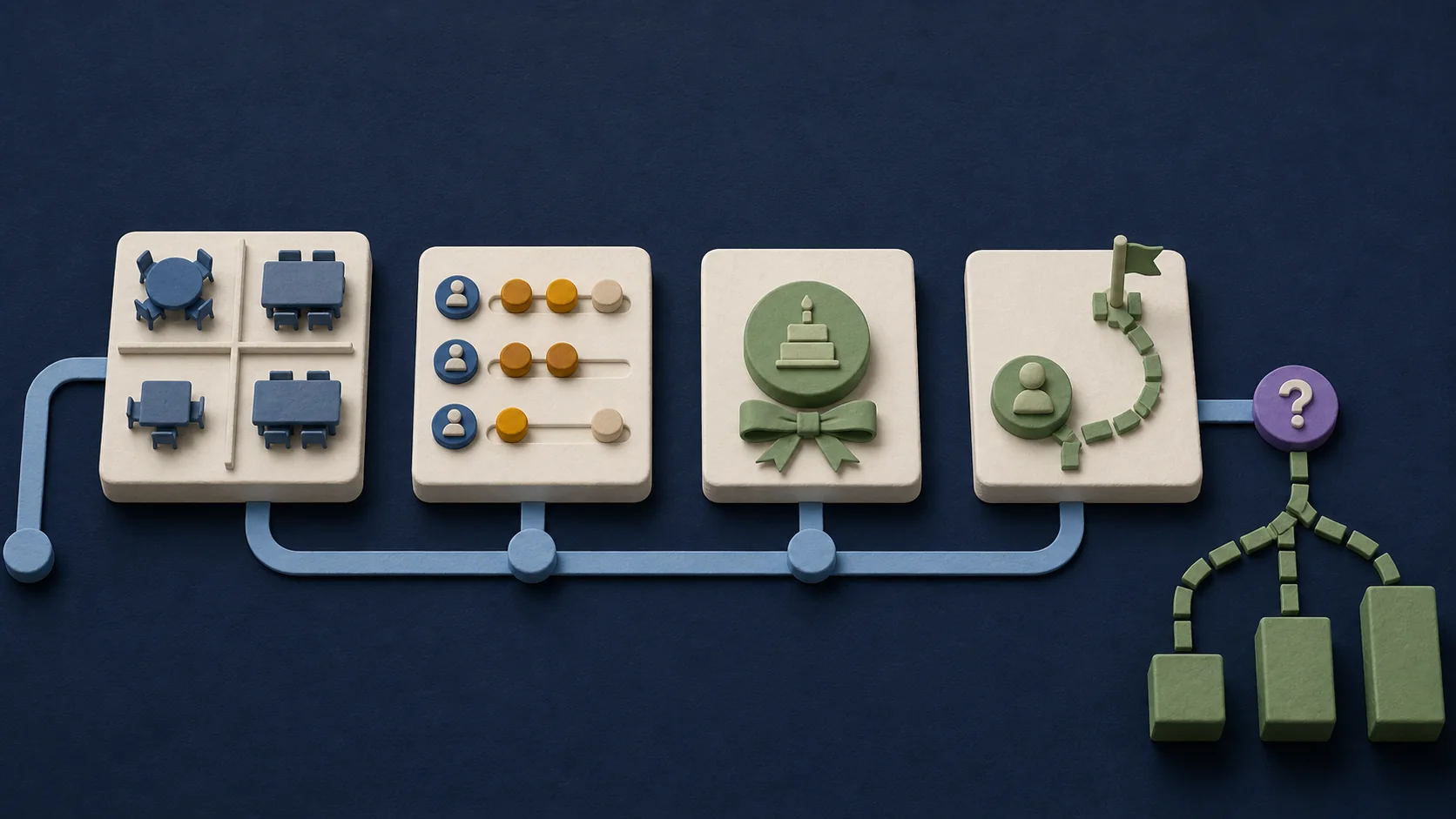
One flattens the data into a generic customer. The other targets the segment actually driving growth.
Average-diner design: menu, pricing, and experience calibrated to a flattened "10 visits per month" national figure, underweighting the segment actually setting the pace. Frequent-guest design: strategy built specifically around millennials' 14-visit frequency and demonstrated willingness to pay a premium for distinctive experiences, capturing both volume and value growth simultaneously.
The Leadership Move
The structural choice for restaurant operators is whether to plan menu, pricing, and experience design around a flattened national average diner, or to design specifically toward the millennial frequency and premium-willingness data driving 2026's actual growth.
- Ownership
Restaurant marketing and concept design leadership own the decision to calibrate guest experience strategy specifically around the highest-frequency, premium-willing segment the data identifies, rather than defaulting to a generic, averaged customer profile in planning.
- Tradeoff
Designing specifically around millennial dining preferences and premium experience expectations may require menu, atmosphere, or service investment beyond what a generic average-diner strategy would call for. The tradeoff against that investment is under-serving the segment the data shows is both visiting most frequently and most willing to pay for distinctiveness.
- Human consequence
Millennial diners choosing to eat out 40% more often than the national average are making a real, repeated lifestyle choice around dining out, one that a restaurant genuinely designed for their preferences can capture as sustained, frequent loyalty rather than occasional, price-driven visits.
Next Move
If your restaurant currently plans around a national-average diner profile: Reassess menu, atmosphere, and pricing strategy specifically against millennial visit-frequency and premium-willingness data, given the meaningful gap between that segment and the flattened average.
If you are investing in a premium or distinctive dining concept: Use the 55% spending-increase and premium-willingness figures as validation for genuine experience differentiation over volume-focused, low-price positioning.
FAQ
How often will Americans dine out in 2026, according to OpenTable?
OpenTable's 2026 Diner Trends Report found Americans overall will dine out 10 times per month on average in 2026. Millennials specifically are identified as the nation's most frequent restaurant-goers, planning to dine out 14 times per month on average, 40% more often than the national average.
Are consumers willing to spend more on dining out?
Yes. More than half of Americans, 55%, say they will spend even more on restaurants next year, and a related OpenTable finding shows over half of respondents willing to pay a premium specifically for a one-of-a-kind dining experience.
How was this data collected?
OpenTable's 2026 Diner Trends Report combines three data sources: OpenTable's own reservation data, a consumer survey of 1,527 US respondents conducted by WALR between September 3 and 9, 2025 with quotas weighted for major cities, and analysis of more than 2 million diner reviews.
What does the millennial dine-out frequency mean for restaurant strategy?
A restaurant designing its dine-in experience around a generic, averaged diner profile is underweighting the specific generation driving the highest visit frequency and, per related premiumization data, the strongest willingness to pay more for a distinctive experience. Restaurants targeting frequency and spend growth in 2026 have a specific, identified demographic to design toward rather than a general audience.
Sources & References
Original article archive
Original article published April 17, 2025: "On-Premise Dining in 2025:Built For Better". Preserved here for provenance, historical context, and citation continuity.
As off-premise dining claims 75% of restaurant transactions, on-premise dining is fighting back with immersive experiences, hyper-personalization, and cutting-edge technology. Far from becoming obsolete, sit-down dining is evolving into a curated, multi-sensory journey that prioritizes connection, escapism, and culinary theater. Here’s how the industry is redefining itself in 2025—and why diners are still willing to pay a premium for the right experience.
Key Takeaways
- Restaurants that innovate with technology, storytelling, and sustainability will thrive, while those that don’t risk losing relevance in an experience-driven market.
- On-premise dining remains a $1.2 trillion global industry despite declining foot traffic, driven by consumers’ desire for social connection and immersive experiences.
- Immersive dining spans all price points, from luxury underwater restaurants and VR-enhanced multi-sensory meals to affordable retro diners and DIY food stations.
- AI and technology are transforming the on-premise experience through hyper-personalization, operational efficiency, augmented reality, and voice-activated ordering.
- Labor shortages and rising food costs pose significant challenges, pushing restaurants to adopt automation and rethink menus to maintain profitability.
- On-premise dining must offer unique, memorable experiences that justify leaving home, differentiating itself from the convenience of off-premise options.
- Sustainability is a critical factor, with zero-waste kitchens and carbon-neutral certifications increasingly influencing consumer choices, especially among Gen Z.
- The future of on-premise dining includes immersive sustainability, social media integration, and smart dining rooms equipped with IoT and AI technologies.
The State of On-Premise Dining: Challenges and Opportunities
Despite declining foot traffic (down 15-20% from pre-pandemic levels), on-premise dining remains a $1.2 trillion global industry, driven by consumers seeking meaningful social interactions and memorable moments. According to the National Restaurant Association’s 2025 report, 81% of consumers would dine at full-service restaurants more frequently if they had more disposable income, underscoring pent-up demand for elevated experiences. However, operators face a paradox: While off-premise dining thrives on convenience, on-premise venues must justify their existence by offering something delivery cannot replicate—human connection, artistry, and sensory storytelling.
Key trends shaping demand:
- Social Connection: 68% of diners prioritize restaurants as spaces to bond with friends or family, a sentiment amplified by post-pandemic “social hunger.”
- Experiential Value: 70% of adults express interest in curated tasting events, rising to 79% among Gen Z, who crave Instagrammable moments like table side flambé or edible glitter cocktails.
- Premiumization: Fine-dining operators report that 90% of their revenue hinges on on-premise visits, with customers willing to pay 20-30% more for chef-driven storytelling, such as a 12-course menu narrated by the sommelier.
Immersive Dining Experiences: From Budget to Luxury
Luxury ($150+ per person)
Luxury venues are doubling down on multi-sensory escapism, transforming meals into theatrical productions. At Ithaa Undersea Restaurant in the Maldives, diners sip champagne 16 feet below sea level, surrounded by coral reefs and tropical fish—a $300-per-person experience that books months in advance. Similarly, Ultraviolet by Paul Pairet in Shanghai pairs a 20-course menu with synchronized VR projections, temperature shifts, and custom scents (e.g., ocean mist during seafood courses), creating a meal that feels more like a Broadway show.
For exclusivity, members-only clubs like London’s Behind Closed Doors offer bespoke menus with live jazz and sommelier-led wine journeys, where guests can taste a 1945 Château Mouton Rothschild paired with dry-aged venison. These concepts thrive because they cater to high-net-worth individuals seeking status and novelty—55% of luxury diners post about their meals on social media, amplifying word-of-mouth marketing.
Mid-Tier ($50-$100 per person)
Mid-tier restaurants are blending interactivity with affordability, ensuring every meal feels like an event. Las Vegas’ Superfrico merges psychedelic decor, live acrobatics, and inventive cocktails (e.g., smoke-filled bubblegum martinis) to create a “dinner-as-theater” vibe that appeals to millennials. In NYC, Hinata lets guests grill Wagyu at their tables with chef guidance, merging DIY fun with expert oversight—a concept that boosted repeat visits by 40%.

These strategies prove that mid-tier venues can compete with off-premise convenience by offering active participation, turning passive diners into co-creators of their experience.
Affordable ($15-$40 per person)
Even budget-friendly chains are embracing nostalgia and customization to stand out. Ellen’s Stardust Diner in NYC revives 1950s nostalgia with singing waitstaff and retro milkshakes, drawing families and TikTok creators alike. Chipotle’s Digital Kiosks, while primarily off-premise-focused, now suggest meal bundles based on past orders (e.g., “You loved the carnitas bowl—try it with queso!”), blending convenience with personalization for in-store diners.
At festivals like Bite of Burnaby, attendees craft miso desserts or matcha truffles in $40 workshops, democratizing hands-on culinary education. These concepts succeed by offering low-cost escapism, proving that memorable experiences need not break the bank.
AI and Technology: The Invisible Architects of Modern Dining
Hyper-Personalization
AI is transforming how restaurants cater to individual tastes, ensuring no two visits feel identical. Platforms like SevenRooms analyze diners’ past orders to pre-suggest dishes and wine pairings the moment they arrive—a tactic that boosted average checks by 15% at The Cosmopolitan’s restaurants. At Copenhagen’s Alchemist, biometric sensors adjust lighting and music based on guests’ stress levels, creating a tailored emotional journey; if a diner appears tense, the system might dim lights and play calming ocean sounds.
Loyalty programs are also evolving: Chains like Portillo’s deploy AI-driven offers (e.g., free desserts for frequent burger buyers), which 91% of diners now expect as standard. This hyper-personalization bridges the gap between digital convenience and human hospitality, making guests feel uniquely valued.
Operational Efficiency
Restaurants are leveraging tech to combat rising costs and labor shortages. Syrve’s AI inventory tools predict ingredient needs using weather and event data, reducing waste by 15-20%—a lifesaver as food prices remain 8.5% higher YoY. Miso Robotics’ Flippy 2 automates fry stations at Jack In The Box, ensuring consistent quality.
Dynamic pricing, akin to Uber’s surge model, adjusts menu prices in real-time based on demand; a burger might cost $12 at noon but $14 during dinner rushes, maximizing revenue without alienating guests. These innovations prove that technology isn’t just a novelty—it’s a financial lifeline for operators navigating inflation and staffing crises.
Augmented Reality and Virtual Reality
AR/VR are bridging the digital-physical divide, turning meals into interactive adventures. Dave & Buster’s projects AR games onto dining tables, letting guests battle aliens while waiting for nachos—a feature that increased dwell time by 20%. Wineries partner with restaurants like Miami’s Mila to offer VR vineyard tours during wine-pairing dinners, immersing diners in Napa Valley without leaving their seat.
Test kitchens are even experimenting with holographic chefs: At Heston Blumenthal’s The Fat Duck, 3D projections explain dish inspirations, like how a “sound of the sea” course mimics ocean waves through audio and visual effects. These tools don’t replace human interaction—they enhance it, offering diners conversation starters and shareable moments.
Challenges: Why On-Premise Dining Can’t Afford to Stand Still
Labor and Cost Pressures
Staffing shortages and inflation remain existential threats. 45% of operators struggle to hire skilled chefs and servers, pushing automation adoption; for example, Sweetgreen now uses robotic salad assemblers to offset labor gaps. Food costs, up 8.5% YoY, force menu redesigns—some venues substitute Wagyu with sous-vide short ribs or swap truffle oil for mushroom dust to maintain margins. These pressures demand creativity, as seen at Noma, which introduced a “foraged ingredients” menu to reduce reliance on expensive imports.
Competing with Off-Premise Convenience
To counter delivery’s ease, brands must make on-premise dining irresistibly unique. Starbucks redesigned stores with lounge-worthy seating and artisanal bakeries, while Cava blends digital kiosks for takeout with full-service dine-in areas, catering to both convenience seekers and experience chasers. The key is differentiation: If a meal can be replicated at home, why leave the couch?
Sustainability Demands
Eco-consciousness is non-negotiable. London’s Silo uses whole-ingredient cooking (e.g., carrot-top pesto) and compostable packaging, achieving zero waste. Over 60% of Gen Z diners prioritize carbon-neutral venues, prompting chains like Sweetgreen to publish annual sustainability audits. Operators who ignore these values risk alienating the next generation of diners.
The Future: Where On-Premise Dining Is Headed
Immersive Sustainability
Farm-to-table is evolving into farm-to-fork storytelling. Gotham Greens in NYC lets diners pick herbs from on-site hydroponic gardens, while sushi bars project live footage of Tokyo’s tuna auctions, connecting guests to ingredient origins. These practices don’t just satisfy eco-guilt—they add narrative depth, turning a meal into a documentary-like experience.
Social Media Integration
TikTok is reshaping menus. Dishes like Salt Bae’s gold-leaf steaks or unicorn grilled cheese dominate for their viral appeal, with 30% of Gen Z admitting they order food specifically to post it. NFT loyalty programs are emerging too: Diners earn blockchain tokens for repeat visits, redeemable for exclusive perks like chef’s table access.
Smart Dining Rooms
IoT and AI will make venues feel “alive.” IoT-enabled tables adjust seat temperatures and lighting based on preferences (e.g., colder settings for spicy dishes), while voice-activated servers like Presto reduce staff workload by 30%. These innovations prioritize comfort without sacrificing human warmth.
Transform for the Better
On-premise dining in 2025 isn’t just surviving—it’s thriving by offering what delivery cannot: human connection, sensory delight, and Instagrammable moments. Success hinges on three pillars:
- Personalization: Using AI to make every diner feel like a VIP.
- Surprise: Incorporating AR, live performances, or chef interactions to create shareable stories.
- Sustainability: Aligning with eco-conscious values through zero-waste practices and ethical sourcing.
As MOBI CEO Shannon Hautot notes, “Dining is no longer just about the food—it’s about the emotional resonance of the experience.” For operators, the message is clear: Innovate boldly or risk becoming background noise in a world where “good enough” is no longer enough.
Frequently Asked Questions - On-Premise Dining
1. What defines on-premise dining in today’s restaurant industry?
On-premise dining refers to meals consumed inside a restaurant’s physical location, where the focus is on the full sensory experience, social interaction, and ambiance beyond just the food.
2. How has on-premise dining changed since the pandemic?
While foot traffic has declined 15-20%, on-premise dining has shifted towards immersive, experiential formats that emphasize social connection, personalization, and multi-sensory engagement.
3. What types of immersive experiences are popular at different price points?
Luxury venues offer multi-sensory theatrical meals and exclusive clubs; mid-tier restaurants blend interactive cooking and augmented reality; affordable concepts focus on nostalgia, DIY stations, and social media-friendly environments.
4. How is AI being used to enhance on-premise dining?
AI helps personalize menus and recommendations, optimize inventory and staffing, enable dynamic pricing, and introduce technologies like voice-activated ordering and biometric mood-based ambiance adjustments.
5. What operational challenges do on-premise restaurants face today?
Labor shortages, rising food and rent costs, and competition from convenient off-premise dining options are major challenges forcing operators to innovate and automate.
6. How are restaurants addressing sustainability in on-premise dining?
Many adopt zero-waste cooking, compostable packaging, carbon-neutral certifications, and farm-to-fork storytelling to meet consumer demand for eco-friendly dining experiences.
7. Why is social media integration important for on-premise dining?
Social media platforms like TikTok influence menu design and marketing, with viral dishes and NFT loyalty programs helping restaurants attract younger, digitally engaged diners.
8. What role do augmented reality (AR) and virtual reality (VR) play in on-premise dining?
AR and VR create interactive and immersive experiences, such as AR table games, virtual vineyard tours, and holographic chefs, enhancing engagement and entertainment during meals.
9. How do smart dining rooms improve the customer experience?
IoT-enabled tables adjust lighting and temperature based on preferences, while AI voice assistants streamline ordering, creating a comfortable, personalized, and efficient dining environment.
10. What is the key to success for on-premise dining in the future?
Restaurants must innovate boldly by combining personalization, surprise elements, and sustainability to create emotional resonance and memorable experiences that cannot be replicated by off-premise dining.
Next Steps
Transformidy is available to help you understand your brand’s value proposition and maximize your customer experience strategy for business growth, engagement, and satisfaction.
Contact us or set up a 30-minute complimentary consultation for more information on our services, insights, or showcases. We look forward to hearing from you.
FAQ
How often will Americans dine out in 2026, according to OpenTable?
OpenTable's 2026 Diner Trends Report found Americans overall will dine out 10 times per month on average in 2026. Millennials specifically are identified as the nation's most frequent restaurant-goers, planning to dine out 14 times per month on average, 40% more often than the national average.
Are consumers willing to spend more on dining out?
Yes. More than half of Americans, 55%, say they will spend even more on restaurants next year, and a related OpenTable finding shows over half of respondents willing to pay a premium specifically for a one-of-a-kind dining experience.
How was this data collected?
OpenTable's 2026 Diner Trends Report combines three data sources: OpenTable's own reservation data, a consumer survey of 1,527 US respondents conducted by WALR between September 3 and 9, 2025 with quotas weighted for major cities, and analysis of more than 2 million diner reviews.
What does the millennial dine-out frequency mean for restaurant strategy?
A restaurant designing its dine-in experience around a generic, averaged diner profile is underweighting the specific generation driving the highest visit frequency and, per related premiumization data, the strongest willingness to pay more for a distinctive experience. Restaurants targeting frequency and spend growth in 2026 have a specific, identified demographic to design toward rather than a general audience.
Related intelligence
Article
Department Store Strategy: Identity vs. Omnichannel
Department stores pursued omnichannel integration to compete with specialists and e-commerce. But integration without identity eroded customer loyalty. Successful stores rebuilt around curation and experience, not channel consolidation.
Article
Three in Four Restaurant Orders Never Touch a Dining Room
Nearly 75% of restaurant traffic is now off-premise. The National Restaurant Association's own economist calls it not a trend but a business model. Most restaurants are still designed, staffed, and measured as if the dining room is the main event.
Article
A Third of Walmart's Operating Income Now Comes From Ads and Memberships
Advertising and membership fees now account for a third of Walmart's operating income. Walmart Connect grew 41% in a quarter when retail sales grew about 5%, eight times faster. Retail media margins exceed 70%. Walmart is no longer just a retailer that also sells ads.