
Article
Snacks Aren't Competing With Snacks Anymore. They're Competing With Dinner.
41% of US snack consumers now eat snacks in place of a regular meal. Among 25-to-34-year-olds, 57% say snacks are simply better value than a full meal. This is not a snacking trend. It is a meal category losing customers to a cheaper substitute.
- Published
- June 27, 2025
- Updated
- June 18, 2026
- Reading time
- 7 min

2026 updated analysis
What changed since the original article
This page keeps the original Transformidy article as the canonical record and leads with the current interpretation, source notes, and Revenue Unknown framing.
41%, and What It's Actually Replacing
Mondelez International's 2026 State of Snacking report, produced in collaboration with Mintel and Black Swan Data, found that 41% of US snack consumers now eat snacks in place of a regular meal. The pattern is not confined to the US: 44% of Australian consumers replace proper meals with snacks at least weekly, and 22% in India use snacks to replace breakfast, lunch, or dinner specifically.
A 41% meal-replacement rate is a genuinely large number for a category that most consumer research still frames primarily as impulse or between-meal behavior. If more than four in ten snack consumers are using the product category to substitute for an actual meal, the relevant competitive question for a snack brand shifts from "which other snack is winning share" to "what meal did this replace, and why."
The report frames this explicitly as intentional, not accidental: a "deliberate lifestyle choice that is reshaping how an entire generation approaches food," language that positions the shift as a considered consumer decision rather than a passive drift away from traditional meal structures. That framing matters for how seriously a food or retail brand should treat the trend, a deliberate choice is more durable and more strategically significant than an accidental habit shift.
Of US snack consumers eat snacks in place of a regular meal
57% of 25-to-34-year-olds specifically call snacks better value than a full meal.
Value and Stress, Not Hunger
The report's generational breakdown clarifies why this shift is happening, and the answer is not primarily about taste or hunger timing. 38% of US consumers aged 18 to 24 cite snacking as less stressful than preparing meals, and 57% of those aged 25 to 34 view snacks as better value than a full meal. In Germany specifically, 54% of Gen Z consumers eat snacks twice daily or more. These are economic and convenience judgments, not flavor preferences.
That distinction matters enormously for how a brand should respond. A trend driven by taste preference is addressed through product development, new flavors, new formats. A trend driven by value perception and stress reduction, as this data suggests, is addressed through pricing strategy, portion positioning, and messaging that speaks directly to the meal-replacement occasion rather than treating the product as a secondary, between-meal indulgence.
For meal-category brands and grocery retailers specifically, this data is a direct warning signal rather than an adjacent-category curiosity. If a meaningful share of a core demographic already judges snacks as better value than a full meal, meal-category brands are losing occasions to a category most of their own competitive analysis probably does not include. Reframing snacks as a direct competitor to the meal occasion, not just to other snacks, is the practical takeaway this data demands.
Snack-vs-Snack Competition vs. Snack-vs-Meal Competition
One is the competitive frame most brands still use. The other is the one the data now supports.
Snack-vs-snack: a snack brand benchmarks against other snack brands for share of the between-meal occasion, missing the larger shift underway. Snack-vs-meal: the same brand recognizes that 41% of its customers are using the product to replace an entire meal, competing directly against meal-category brands for value-conscious, stressed, time-pressed consumers.

The Leadership Move
The structural choice for snack and meal-category brand leadership is whether to keep analyzing competitive position within traditional category boundaries, or to recognize that meal-replacement snacking has already redrawn those boundaries for a meaningful share of consumers.
- Ownership
Brand strategy and category management leadership own the decision to expand competitive analysis beyond traditional snack-versus-snack benchmarking to include direct comparison against meal occasions and meal-category brands, given the 41% meal-replacement figure.
- Tradeoff
Repositioning a snack brand around value and meal-replacement occasions, rather than pure indulgence, may require pricing and portion changes that risk alienating traditional between-meal snacking occasions. The tradeoff against making that shift is ceding the fastest-growing use case, deliberate meal replacement, to competitors who position for it directly.
- Human consequence
Younger consumers citing stress reduction and better value as reasons for choosing snacks over meals are describing a real, felt tradeoff in their daily lives, one that brand positioning built purely around taste or indulgence does not currently address.
Next Move
If you market a snack brand: Test messaging and positioning that speaks directly to the meal-replacement occasion, value and stress reduction specifically, rather than relying solely on taste or indulgence framing.
If you operate in meal-focused retail or food service: Treat snack-category growth data as a direct competitive signal for meal-occasion share, not an adjacent trend, and assess whether your own offerings can compete on the value and convenience terms driving this shift.
FAQ
How many consumers are replacing meals with snacks?
Mondelez International's 2026 State of Snacking report found 41% of US snack consumers now eat snacks in place of a regular meal. The pattern extends internationally: 44% in Australia replace proper meals with snacks at least weekly, and 22% in India use snacks to replace breakfast, lunch, or dinner.
Why are younger consumers driving this trend?
The report found 38% of US consumers aged 18 to 24 cite snacking as less stressful than preparing meals, and 57% of those aged 25 to 34 view snacks as better value than a full meal. In Germany, 54% of Gen Z consumers eat snacks twice daily or more. The report frames this as a deliberate lifestyle choice tied to convenience and economics, not a passive habit shift.
How was this research conducted?
The State of Snacking report is a collaboration between Mondelez International, Mintel, and Black Swan Data, combining traditional consumer survey research with AI-powered social listening data to identify both stated behavior and observed sentiment trends.
What does this mean for how snack and meal brands should think about competition?
A snack brand's actual competitive set now includes meal-replacement occasions, not just other snacks. If 57% of a key demographic already considers snacks better value than a meal, snack brands are winning share directly from meal categories, and meal-focused brands and retailers should treat snack-aisle growth as a direct competitive signal, not an adjacent category trend.
Sources & References
Original article archive
Original article published June 27, 2025: "Joy of Snacks Wins Great Experience Award for June 2025". Preserved here for provenance, historical context, and citation continuity.
Joy of Snacks has proudly been awarded the Transformidy Great Experience Award™ for June 2025, a prestigious monthly recognition that honors excellence in experience strategy design and execution. This accolade celebrates companies that innovate and elevate how they engage customers, employees, or stakeholders through thoughtfully crafted experiences. Joy of Snacks stood out by delivering a holistic and emotionally resonant customer journey, combining expertly curated snack selections, seamless service, and compelling branding.
The Visionary Behind Joy of Snacks: Owner’s Role in Crafting Experience Excellence
At the heart of Joy of Snacks’ success is its founder and owner, Daniel Lee, whose passion for creating joyful moments through food has been the driving force behind the brand’s innovative approach. Daniel’s unique insights into how small, thoughtful gestures—like sharing a delicious snack— create lasting emotional connections. His vision was to build more than just a snack subscription service. He aims to craft an experience that brings happiness, discovery, and connection into everyday life.
Daniel’s hands-on leadership and commitment to quality have shaped every aspect of the Joy of Snacks experience. From personally selecting snack partners to ensuring the packaging evokes excitement, warmth and health, his attention to detail is evident. He also championed the brand’s focus on mindful snacking and wellness, aligning product choices with contemporary customer values. Daniel’s authentic storytelling and customer-centric mindset have been instrumental in building a brand that resonates deeply with its audience.
When asked about his inspirations, Daniel replied, “Joy of Snacks began with a simple but powerful idea: that food — especially snacks — can bring people together and spark moments of joy in everyday life. I’ve always loved discovering new snacks and sharing them with others, and I wanted to turn that personal passion into a business built on delight, connection, and care. Every box we send is a little spark of happiness designed to make someone’s day."
Curated Snack Boxes That Delight and Surprise
Joy of Snacks’ core offering is its thoughtfully curated snack boxes, which feature an inspired mix of sweet and savory treats. Each box is designed to cater to various tastes and occasions, whether it’s a midday pick-me-up, conference swag box, a family movie night, or a thoughtful gift. The variety ensures customers experience a sense of discovery and delight with every delivery, turning routine snacking into a joyful ritual.
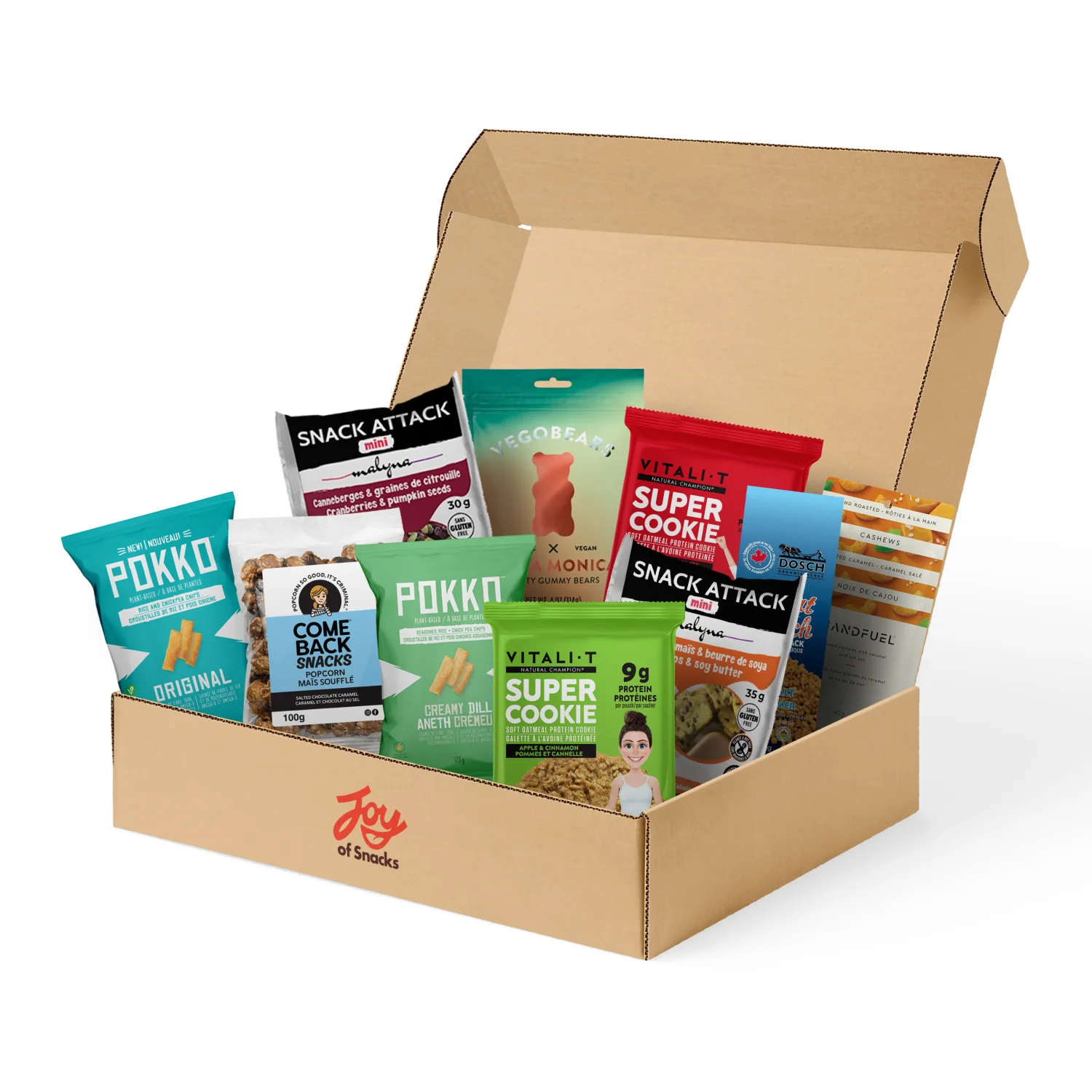


The company’s business model is flexible and user-friendly, allowing customers to tailor their snack preferences and delivery frequency. This convenience reduces friction in the customer journey and builds anticipation for each box’s arrival. The unboxing experience itself is carefully designed to evoke excitement, with vibrant packaging and personalized notes that make each customer feel valued and connected.
Branding That Connects Emotionally and Broadens Appeal
Joy of Snacks’ branding strategy is a standout element in its winning experience. The brand positions its snack boxes as perfect gifts for any occasion—birthdays, holidays, corporate appreciation, or just because.
This emotional positioning taps into the universal desire to share joy and care, expanding the brand’s relevance beyond individual consumers to businesses and organizations seeking meaningful ways to engage employees and clients.
The brand’s cheerful, customizable, and approachable visual identity and messaging reinforce its promise of happiness and connection.
Joy of Snacks leverages social media and conference participation to build a vibrant community of snack lovers who share their experiences, further amplifying the brand’s reach and authenticity.
Customer Experience That Inspires Loyalty and Advocacy
Per discussion with Daniel, customer feedback has been overwhelmingly positive, highlighting the quality and variety of snacks, the ease of subscription management, and the joy of sharing the boxes with loved ones. Parents appreciate how the brand engages children with fun, tasty options, while health-conscious consumers value the mindful snacking choices. These emotional and practical benefits create memorable moments that foster strong loyalty and word-of-mouth advocacy.
Why Joy of Snacks Earned the Transformidy Great Experience Award™
The Transformidy Great Experience Award™ recognizes Joy of Snacks for its comprehensive and innovative approach to experience design. The company seamlessly integrates product excellence, customer convenience, emotional branding, and educational engagement into a unified experience that delights and retains customers.
Daniel Lee’s visionary leadership and personal dedication have been pivotal in shaping this success. Her ability to translate a passion for joyful food experiences into a scalable, customer-centric business model exemplifies the kind of experience innovation that Transformidy celebrates.
Daniel on winning the Great Experience Award for June 2025, “It means the world to be recognized by Transformidy with the Great Experience Award. We’ve poured our hearts into crafting not just a product, but an experience - one that makes people feel excited, appreciated, and connected. This award affirms that joyful, thoughtful experiences truly matter, and I couldn’t be prouder of the community and brand we’re building together.”
Great Experience AwardTM
Transformidy’s Great Experience AwardTM is presented monthly and showcases excellence in experience strategy design or execution. Companies are welcomed to submit entrants with support like demos, pictures, videos, press release or description (no bigger than 5Mb in size), for this monthly award with experience ideas, innovations, or initiatives curated for customers, employees, or stakeholders.
Transformidy will evaluate all entrants and will make the final decision on the winner based on factors including but not limited to how the experience(s) transform or improve the way the company engages, acquires, supports, or maintains its customers, employees, or stakeholders. The experience(s) for consideration can be physical, online, or virtual.
How Can We Help?
Transformidy is available to assist in helping you understand trust and assess how trustworthy your company is.
Contact us or set up a 30-minute complimentary consultation for more information on our services, insights, or showcases. We look forward to hearing from you.
FAQ
How many consumers are replacing meals with snacks?
Mondelez International's 2026 State of Snacking report found 41% of US snack consumers now eat snacks in place of a regular meal. The pattern extends internationally: 44% in Australia replace proper meals with snacks at least weekly, and 22% in India use snacks to replace breakfast, lunch, or dinner.
Why are younger consumers driving this trend?
The report found 38% of US consumers aged 18 to 24 cite snacking as less stressful than preparing meals, and 57% of those aged 25 to 34 view snacks as better value than a full meal. In Germany, 54% of Gen Z consumers eat snacks twice daily or more. The report frames this as a deliberate lifestyle choice tied to convenience and economics, not a passive habit shift.
How was this research conducted?
The State of Snacking report is a collaboration between Mondelez International, Mintel, and Black Swan Data, combining traditional consumer survey research with AI-powered social listening data to identify both stated behavior and observed sentiment trends.
What does this mean for how snack and meal brands should think about competition?
A snack brand's actual competitive set now includes meal-replacement occasions, not just other snacks. If 57% of a key demographic already considers snacks better value than a meal, snack brands are winning share directly from meal categories, and meal-focused brands and retailers should treat snack-aisle growth as a direct competitive signal, not an adjacent category trend.
Related intelligence
Article
McDonald's CEO Named the Exact Chain Reaction Behind a Bad Quarter
McDonald's CEO told investors directly: this was not a strategy problem. Restaurant teams were overwhelmed by too many menu deployments in a single quarter, service times rose, and satisfaction scores fell as a direct result. He named the mechanism, not just the symptom.
Article
Your Rivalry Is a Line Item in Someone's Pricing Model
NHL ticket prices rose 65% from 2015 to 2025. A Michigan Journal of Economics study found rivalry history and regional proximity are specific, usable inputs teams already feed into variable pricing models. The emotion of a rivalry has become a line item in a pricing algorithm.
Article
A Third of Walmart's Operating Income Now Comes From Ads and Memberships
Advertising and membership fees now account for a third of Walmart's operating income. Walmart Connect grew 41% in a quarter when retail sales grew about 5%, eight times faster. Retail media margins exceed 70%. Walmart is no longer just a retailer that also sells ads.