
Article
A Resolved Ticket Is Not a Good Experience
Zendesk found 85% of CX leaders say customers will drop a brand that cannot resolve an issue on first contact. That is a customer service finding about a single interaction, not a customer experience finding about the whole relationship, and the two get conflated constantly.
- Published
- October 4, 2024
- Updated
- June 18, 2026
- Reading time
- 7 min

2026 updated analysis
What changed since the original article
This page keeps the original Transformidy article as the canonical record and leads with the current interpretation, source notes, and Revenue Unknown framing.
What the Numbers Actually Measure
Both findings are legitimate and worth acting on. But look closely at what they actually describe: a moment when a customer already has a problem and is already in contact with a support channel. First-contact resolution measures whether that specific conversation solved the specific issue. Repeat-information frustration measures whether the customer had to re-explain themselves within that conversation or across a follow-up. These are customer service metrics, precise, useful, and entirely about the mechanics of a support interaction.
Customer experience is a broader term, covering everything a customer encounters across their full relationship with a brand: how a product is marketed, how pricing is communicated, how checkout flows, how the product performs once purchased, and yes, how support interactions go when something breaks. Customer service is one input into customer experience, an important one, but treating the two terms as synonyms leads a business to believe it is tracking experience health when it is actually only tracking support desk performance.
Of CX leaders say customers will drop a brand over an unresolved first-contact issue
A finding about support interactions specifically, not about the full customer relationship.
The Part of the Experience No Ticket Ever Touches
Zendesk's own data reinforces the point rather than undermining it: 74% of consumers are frustrated when they have to repeat information across interactions, and 81% want agents to continue a conversation without backtracking. These are real, actionable frustrations, but by definition they only exist for a customer who is already engaged in a support interaction. A customer who never picks up the phone or opens a chat window cannot experience repeat-information frustration, because there is no conversation to repeat themselves within.
This is the blind spot that a business measuring only customer service metrics inherits without realizing it. A confusing pricing page that quietly loses a share of visitors before they ever reach checkout produces no ticket, no resolution-time data point, no repeat-contact flag. A product feature that customers use incorrectly and then simply stop using, without ever filing a support request, produces the same silence. First-contact resolution can be perfect, at 100%, while these entirely unmeasured failures continue costing the business customers it never sees leave.
None of this argues against the value of the service metrics Zendesk measured. It argues for keeping the label accurate: these are service health indicators, and improving them is genuine, worthwhile work. Calling that work "customer experience improvement" without also building visibility into the parts of the journey that never generate a ticket leaves a business with an incomplete picture that feels complete because the numbers it does have look good.
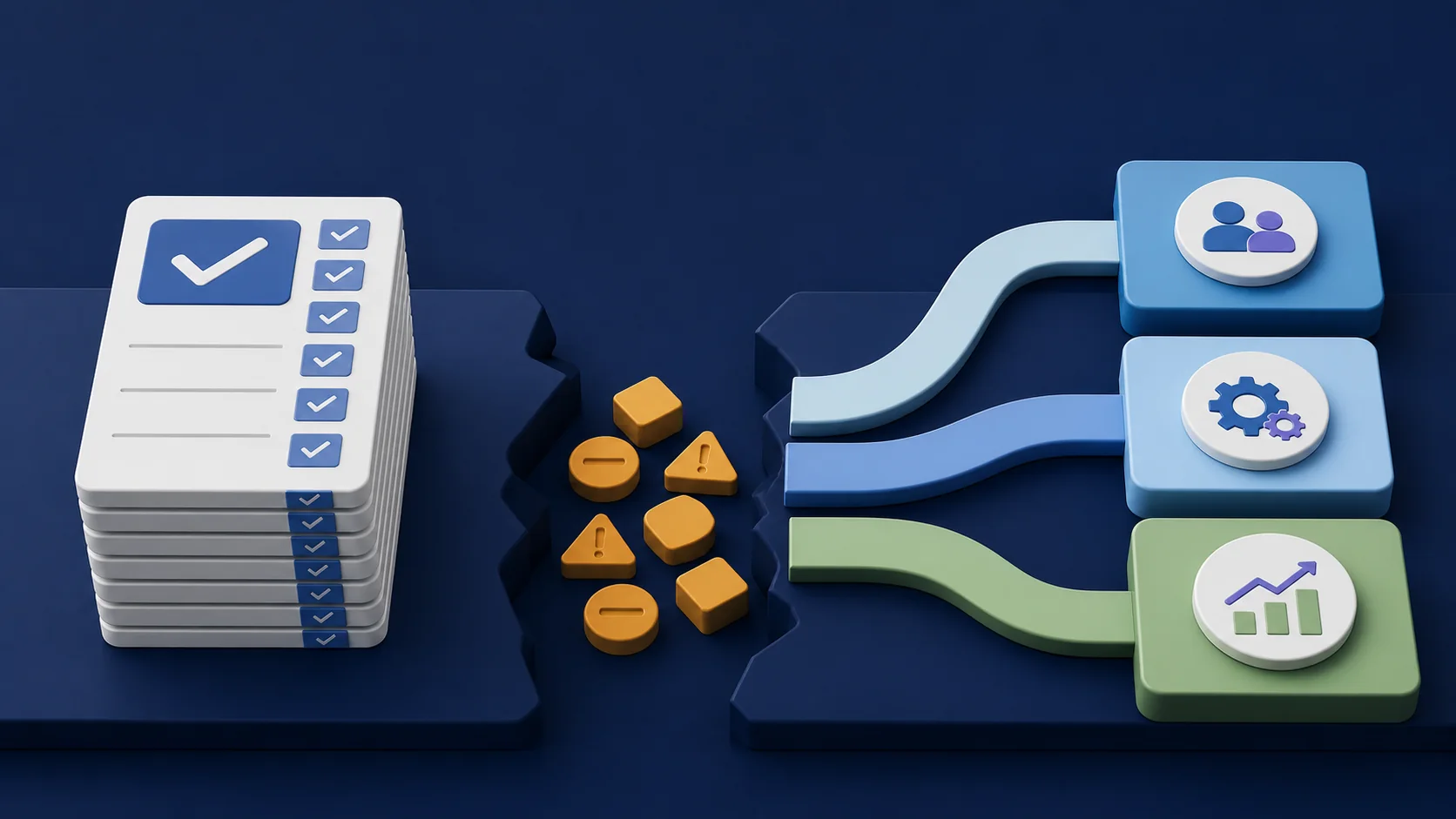
Measuring the Ticket vs. Measuring the Journey
One counts what customers report. The other tries to see what they never report at all.
Ticket-based measurement: first-contact resolution and repeat-contact rate, both accurate and useful, but scoped entirely to customers who already contacted support. Journey-based measurement: adds signals like checkout abandonment, pre-purchase question volume, and usage-pattern confusion, capturing the experience failures that never generate a ticket at all.
The Leadership Move
The structural choice for CX and service leadership is whether to let strong service metrics stand in as evidence of overall experience health, or to build separate visibility into the parts of the journey that never generate a support interaction.
- Ownership
CX leadership, distinct from service or support leadership specifically, owns the responsibility to build and report journey-wide signals, checkout abandonment, pre-purchase confusion, usage-pattern drop-off, alongside service metrics, rather than letting service performance alone represent the experience story to the rest of the organization.
- Tradeoff
Building journey-wide visibility beyond support tickets requires new instrumentation and cross-functional coordination with product, marketing, and sales teams that service metrics alone do not require. The tradeoff against skipping that work is a leadership team that believes its experience program is comprehensive when it is actually only measuring the support function.
- Human consequence
A customer who has a confusing, frustrating experience that never rises to the level of contacting support still experiences that frustration fully; the business's inability to see it does not make it any less real to the person who lived it.
Next Move
If your CX reporting leans heavily on service metrics: Add at least one journey-level signal, checkout abandonment rate, pre-purchase inquiry volume, or usage-based confusion indicators, that does not depend on a customer having contacted support.
If you are presenting a service improvement to leadership: Label it accurately as a service metric, and note explicitly what population of the customer base it does and does not cover, rather than letting it stand in as evidence of overall experience health.
FAQ
What did Zendesk's 2026 CX Trends report find about issue resolution?
85% of CX leaders said customers will drop a brand that cannot resolve their issue on first contact, and 74% of consumers reported frustration when required to repeat information across interactions. The report drew on more than 11,000 respondents across 22 countries, surveyed in June 2025.
Is that a customer experience statistic or a customer service statistic?
It is a customer service statistic. It describes what happens inside a single support interaction: whether a specific issue gets resolved, and whether the customer has to repeat themselves. Customer experience is the broader term for everything a customer encounters across a full relationship with a brand, including marketing, product use, and purchasing, not just support tickets.
Why does the distinction matter if both numbers sound similarly alarming?
Because a business that only tracks customer service metrics, first-contact resolution, repeat-contact rate, can have a perfectly functioning support desk while still losing customers over experience failures that never generate a support ticket at all: a confusing checkout flow, an unclear pricing page, or a product that does not do what marketing implied. Fixing tickets faster does not touch those failures.
What should a business measure if it wants to track the whole experience, not just service?
Service metrics like first-contact resolution and repeat-contact rate should sit alongside, not in place of, journey-level signals: whether customers who never contact support still churn, whether pre-purchase questions get answered before they escalate to a ticket, and whether product usage patterns show confusion that never surfaces as a complaint.
Sources & References
Original article archive
Original article published October 4, 2024: "4 Big Differences Between Customer Experience and Customer Service That Every Brand Should Know". Preserved here for provenance, historical context, and citation continuity.
In today’s business landscape, customer experience (CX) and customer service are often mentioned in the same breath, yet they are distinct concepts with different implications for brands and consumers. While both play essential roles in driving customer satisfaction and loyalty, understanding their differences is key to designing a comprehensive strategy that fosters long-term relationships with customers.
Many companies mistakenly focus heavily on customer service, viewing it as the primary driver of customer satisfaction, while missing out on the broader value that a well-rounded customer experience strategy can bring.
This Transformidy insight delves into the differences between customer experience and customer service, explores why these concepts are often confused, and offers actionable tips for brands to better communicate and enhance the value of customer experience.
What Are Customer Experience And Customer Service?
Customer experience (CX) refers to the cumulative impact of every interaction a customer has with a brand across multiple touchpoints, from pre-purchase research and shopping to post-purchase engagement. It encompasses all stages of the customer journey and involves emotional, physical, and psychological responses to a brand. CX is a proactive, holistic approach designed to foster positive relationships over time, focusing on how customers feel about a brand overall, rather than just how a brand responds to issues or queries.

Customer service, on the other hand, is a more specific element of the overall customer experience. It pertains to the assistance and support that customers receive during or after purchasing a product or service. Customer service is reactive in nature, addressing immediate concerns such as answering questions, resolving issues, or providing guidance. Its primary focus is problem-solving and delivering satisfaction at particular moments, usually through direct interaction with service representatives.
Key Differences Between Customer Experience and Customer Service
While customer service is an essential part of customer experience, it is limited in scope and function compared to CX. The key differences between these two concepts can be broken down as follows:
- Scope and Breadth: Customer service deals with specific issues or concerns, typically when things go wrong, such as handling returns, complaints, or troubleshooting technical problems. In contrast, customer experience is a broader strategy that covers the entire customer journey, from discovery to loyalty-building, focusing on how customers perceive the brand overall.
- Proactive vs. Reactive: Customer experience takes a proactive approach, anticipating customer needs and designing interactions that create positive emotions at every touchpoint. Brands focusing on CX invest in seamless website design, personalized marketing, and intuitive product features. Customer service, by contrast, is reactive, stepping in when customers face problems that need to be resolved.
- Emotional Engagement: CX is about building emotional connections over time, fostering a sense of trust and loyalty. Brands that excel at CX often create memorable, emotionally resonant experiences that keep customers coming back. Customer service, while important, often lacks this long-term emotional engagement, as it is typically transactional and focused on immediate problem resolution.
- Customer-Centricity: While customer service is centered on delivering solutions, customer experience puts the customer at the heart of every decision. CX strategies involve designing processes, environments, and communications that align with customer preferences and behaviors, ensuring customers feel valued throughout their journey, not just when they need help.

Why Brands and People Mistake CX and Customer Service?
One of the main reasons customer experience and customer service are often mistaken for each other is that both are seen as tools to ensure customer satisfaction. However, customer service is often viewed as the more immediate and tangible element, and many brands fail to understand that it is just one component of a more comprehensive experience.
Another reason for confusion lies in the way organizations are structured. In many businesses, customer service departments are separate from marketing, sales, or product development teams, which leads to a siloed approach. When these functions operate independently, there is a greater likelihood that customer service will be viewed as the main touchpoint for customer satisfaction, rather than part of a holistic experience.
Moreover, many consumers equate their interactions with customer service as their overall experience with a brand. When an issue is resolved quickly and efficiently, they may have a positive perception of the company, without considering other aspects like product quality, website usability, or brand messaging.
How Brands Can Clarify the Differences and Emphasize CX Value?
To help consumers and even internal teams understand the differences between customer service and customer experience, brands must actively communicate their CX strategy. Here are some approaches brands can take:
- Educate Customers/Employees/Stakeholders: Use marketing materials, internal posts, social media, and website content to highlight the brand’s commitment to creating a seamless and enjoyable customer experience, rather than simply focusing on resolving problems when they arise. Sharing examples of proactive engagement through the entire experience instead of reactive resolutions through customer service.
- Internal Alignment: Brands should ensure that all teams, from customer service to marketing, sales, and product design, are aligned with the overall customer experience strategy. Regular training and cross-departmental collaboration are essential to make sure everyone understands their role in delivering a holistic experience, not just isolated moments of service.
- Measure Both CX and Service: Use separate metrics to assess customer service and overall customer experience. While customer satisfaction (CSAT) scores, first-call resolution, and response times are critical for customer service, broader CX measurements—such as Net Promoter Score (NPS), customer effort score (CES), and emotional engagement surveys—should be used to gauge the full experience.
- Storytelling: Brands can use storytelling to illustrate the value of customer experience beyond service. Customer testimonials, case studies, and success stories can showcase how a positive overall experience—from product discovery to post-purchase follow-up—has driven loyalty and advocacy.
Key Tips for Brands to Evaluate Their Focus on CX vs. Customer Service
It’s easy for brands to slip into a mindset where customer service becomes the primary focus, neglecting the broader CX picture. To evaluate whether your brand is over-reliant on customer service at the expense of customer experience, consider the following tips:
- Review Customer Touchpoints: Map out the customer journey from start to finish. Are the majority of your brand’s interactions happening when something goes wrong? If so, it may indicate that customer service is being overly relied upon, and more proactive CX elements should be developed.
- Assess Customer Feedback: Look at the feedback you’re receiving from customers. Is it primarily about how quickly issues were resolved, or are customers commenting on the overall ease and enjoyment of their experience with your brand? Consistent feedback about customer service suggests a narrow focus.
- Audit Marketing and Communications: Evaluate whether your marketing efforts emphasize service resolutions or whether they promote the broader experience you offer. If most of your communications are about responding to problems, consider shifting the focus to how your brand delights customers proactively.
- Customer Journey Improvements: Regularly analyze and improve every stage of the customer journey, ensuring each touchpoint delivers value and fosters positive emotions. Implement technologies like AI-driven personalization, easy-to-navigate digital interfaces, and well-designed loyalty programs to enhance CX.
- Leadership and Culture: Ensure that leadership promotes a culture that prioritizes customer experience as a core strategy. CX must be seen as everyone’s responsibility within the organization, not just the customer service team’s.

Transform for the Better
Brands that focus on both customer service and customer experience are poised to build stronger relationships, increase loyalty, and generate sustained growth. By understanding the distinct roles of each, brands can transform their approach from simply solving problems to delivering value throughout the entire customer journey. This shift requires alignment across departments, proactive engagement with customers, and an unwavering focus on creating emotionally positive experiences.
To transform for the better, businesses must view customer experience as a comprehensive strategy that touches every part of the organization, ensuring customers feel valued, supported, and understood at all stages of their interaction with the brand. By doing so, brands will not only improve satisfaction but also differentiate themselves in a competitive marketplace, unlocking new opportunities for growth and innovation.
How Can We Help?
Transformidy is available to assist in helping you understand assess how your company’s experience strategy is effective in generating engagement, satisfaction, and business growth.
Contact us or set up a 30-minute complimentary consultation for more information on our services, insights, or showcases. We look forward to hearing from you.
FAQ
What did Zendesk's 2026 CX Trends report find about issue resolution?
85% of CX leaders said customers will drop a brand that cannot resolve their issue on first contact, and 74% of consumers reported frustration when required to repeat information across interactions. The report drew on more than 11,000 respondents across 22 countries, surveyed in June 2025.
Is that a customer experience statistic or a customer service statistic?
It is a customer service statistic. It describes what happens inside a single support interaction: whether a specific issue gets resolved, and whether the customer has to repeat themselves. Customer experience is the broader term for everything a customer encounters across a full relationship with a brand, including marketing, product use, and purchasing, not just support tickets.
Why does the distinction matter if both numbers sound similarly alarming?
Because a business that only tracks customer service metrics, first-contact resolution, repeat-contact rate, can have a perfectly functioning support desk while still losing customers over experience failures that never generate a support ticket at all: a confusing checkout flow, an unclear pricing page, or a product that does not do what marketing implied. Fixing tickets faster does not touch those failures.
What should a business measure if it wants to track the whole experience, not just service?
Service metrics like first-contact resolution and repeat-contact rate should sit alongside, not in place of, journey-level signals: whether customers who never contact support still churn, whether pre-purchase questions get answered before they escalate to a ticket, and whether product usage patterns show confusion that never surfaces as a complaint.
Related intelligence
Article
BMO Killed a Brand That Reached Two-Thirds of Canadian Households
AIR MILES reached roughly two-thirds of Canadian households over 34 years. BMO bought it for $160 million in 2023 and retired the name three years later. Every point converted automatically. The brand did not.
Article
Millennials Are Going to Dine Out 14 Times a Month in 2026
Millennials plan to dine out 14 times a month in 2026, well above the 10-times average across all Americans. 55% say they will spend even more on restaurants next year. The generation restaurants most need to design a dine-in experience for has already told OpenTable who they are.
Article
The BFCM Record That Matters Is Not the $14.6 Billion One
Shopify merchants hit a record $14.6 billion in Black Friday-Cyber Monday sales in 2025. The number underneath it that actually predicts next year is Shop Pay adoption, up 39% year over year to 32% of all orders.