The business landscape entering 2026 looks far different from the frenzy that defined the first wave of generative AI and digital transformation. Instead of chasing trends, leading brands are focusing on building trust, coherence, and emotional resonance through the lens of one unshakable principle — customer experience.
As 2025 unfolded, forward-thinking organizations began blending human insight with intelligent technology to reshape engagement, loyalty, and value delivery. But in 2026, we’re stepping into a year where customer experience moves beyond interaction to intention. They are shaping not only what customers do, but how they feel empowered, understood, and connected.
Below are six dominant CX themes evolving from 2025 into 2026: why they matter, and how brands can maximize them to create meaningful and measurable outcomes.
Table of Contents
Key Takeaways for CX Leaders
- Design AI to serve, not surveil. Use AI to reduce effort, increase clarity, and support human teams—with clear consent, minimal data, and visible value to customers.(see the generated image above)
- Treat experience equity like financial equity. Make CX a board-level asset, with metrics that link trust, emotion, and loyalty to revenue and brand value.(see the generated image above)
- Build around life moments, not departments. Map journeys that cross industries and explore partnerships to remove friction where customers feel it most.(see the generated image above)
- Elevate emotion intelligence. Move beyond “Are you satisfied?” to “How did this make you feel?” and use that insight to coach teams and refine journeys.(see the generated image above)
- Make privacy part of the promise. Bring CX, legal, and data teams together so every digital touchpoint reinforces control, transparency, and psychological safety.(see the generated image above)
1. Humanized AI and Emotional Intelligence
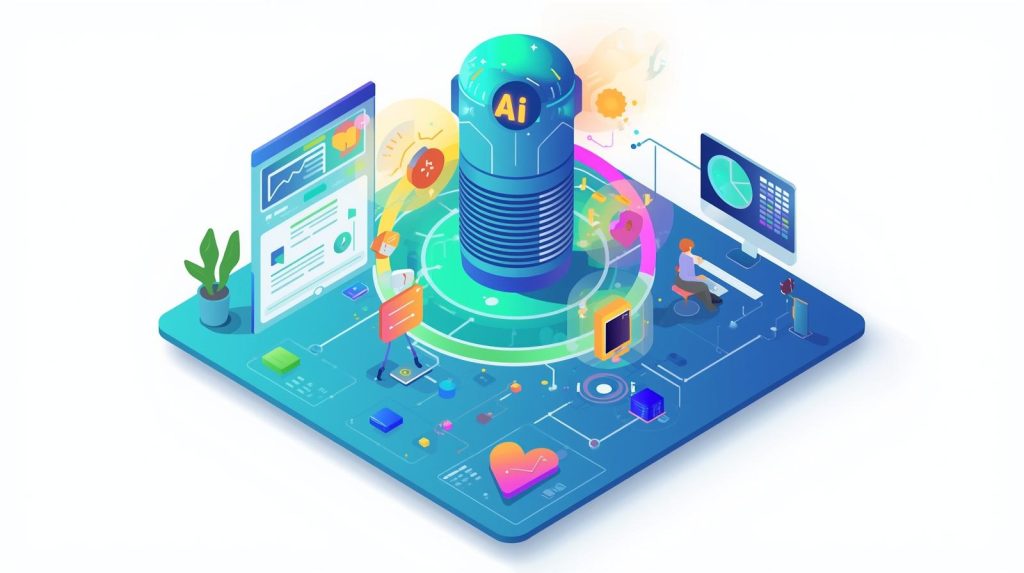
Artificial intelligence has become smarter and faster, but the differentiator in 2026 isn’t computational power — it’s emotional depth. As AI adoption matures, customers no longer marvel at automation; they value empathy delivered through it.
AI-driven customer experience platforms now incorporate sentiment-layered analytics, predictive emotion modeling, and tone calibration, allowing brands to tailor responses with genuine emotional intelligence.
Why it’s important:
In a world saturated with data, people crave empathy. Customers are likelier to stay loyal to brands that make them feel valued — even when interacting with machines.
How brands can maximize it:
- Integrate emotion recognition into chatbots and service journeys.
- Train AI models using real customer feedback to match brand personality.
- Develop “Empathy Design Sprints” where service teams and tech architects collaborate to build AI experiences centered around emotional connection.
The next level of customer experience isn’t just personalization — it’s personalization with purpose.
2. Experience Ecosystems, Not Channels
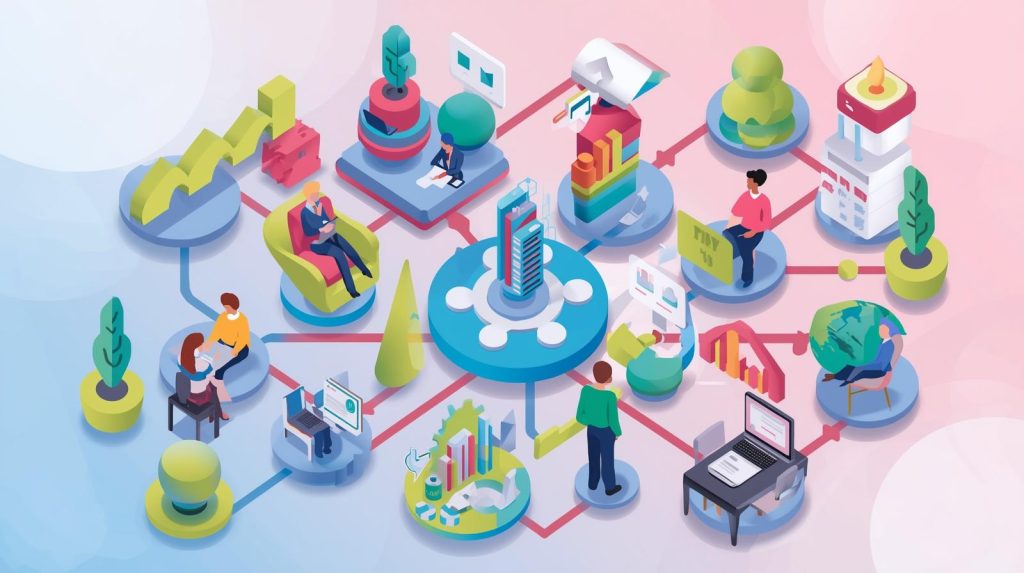
Gone are the days when CX meant optimizing a few touchpoints; 2026 calls for ecosystems where customer interactions flow effortlessly between digital and human moments.
Every product, partnership, and platform now contributes to a unified customer journey. Instead of treating separate apps, stores, and support systems as silos, leading organizations design interwoven ecosystems that feel like one conversation.
Why is it important?
Customers no longer distinguish between brand departments — they expect one continuous relationship. Experience fragmentation erodes loyalty faster than a pricing error.
How brands can maximize it:
- Map entire experience ecosystems, not just journeys.
- Use unified data intelligence to deliver seamless transitions across devices and physical environments.
- Launch “mirror engagement” dashboards where every team (sales, marketing, service) sees the same customer context in real time.
By treating CX as an ecosystem, brands build trust through coherence — the invisible glue of modern customer experience.
3. Data Dignity and Ethical Personalization

The relationship between customers and data has matured from convenience to consent. In 2026, “data dignity” becomes central to brand trust.
Consumers are more aware, regulators are more stringent, and AI systems require cleaner, consent-driven data to operate effectively. Transparent data practices now directly influence customer experience perception.
Why is it important?
People want personalization, not surveillance. How a brand uses — and explains — its data practices is now integral to the emotional and ethical fabric of CX.
How brands can maximize it:
- Shift from “data collection” to “data collaboration” by co-designing experiences with customers.
- Make privacy experiences conversational — integrating plain-language data transparency moments directly into digital touchpoints.
- Develop a “trust layer” in omnichannel dashboards that translates how customer data powers positive outcomes.
Data dignity isn’t compliance theater; it’s a loyalty driver. When customers trust your data ethics, they trust your brand story and your promises.
4. Predictive CX Through Adaptive Intelligence

Static loyalty programs and rule-based journey mapping no longer cut it. In 2026, customer experience leaders use adaptive intelligence — a dynamic layer that continuously learns, reacts, and predicts.
Imagine CX architecture that senses emotion, anticipates needs, and modifies engagement behaviors in real time. Adaptive intelligence uses context from thousands of micro-interactions — location, phrasing, sentiment, and even silence — to personalize the next moment.
Why is it important?
Customer tolerance for friction is near zero. Predictive CX shortens decision-making and increases conversion without customers realizing it.
How brands can maximize it:
- Deploy micro-journey AI models that learn from small behavioral patterns instead of broad personas.
- Use predictive intent engines to adjust offers, tone, and timing contextually.
- Create dynamic service recovery protocols that activate before a negative experience occurs.
Predictive CX transforms organizations from reactive to pre-emptive, redefining what it means to truly know the customer in real time.
5. Experiential Commerce and Immersive Loyalty

The once-clear line between shopping, entertainment, and content continues to dissolve. By 2026, interactive, gamified, and sensory-driven experiences redefine commerce. The winning equation is simple: make participation part of the product.
What started with immersive virtual stores in 2025 has now evolved into multi-sensory storytelling — soundscapes, interactive narratives, and connected devices that enrich every buying decision.
Why it’s important:
Customers are no longer buying just products; they’re buying belonging. Experience is the product differentiator, and loyalty follows immersion.
How brands can maximize it:
- Build micro-experiences that reward engagement before purchase.
- Combine augmented reality with generative content to turn try-ons, demos, and unboxings into shareable stories.
- Gamify loyalty with emotion-driven design — tracking moments of delight as KPIs.
Experiential commerce is not a novelty — it’s the next growth engine of customer experiencewhere emotion, expectation, and engagement live as one continuum.
6. Purpose-Driven CX and Collective Impact

The final and perhaps most enduring transformation continues the shift from customer-centricity to community-centricity. In 2026, people expect brands to integrate purpose into the design of customer experience — not as a campaign, but as a living principle.
Trust and advocacy now depend on how brands contribute to shared good — sustainability, inclusion, or local engagement. Communities don’t want brands to serve customers; they want them to serve progress.
Why is it important?
Purpose-driven CX extends emotional connection into social value. It strengthens authenticity, employee alignment, and long-term differentiation.
How brands can maximize it:
- Build “community integration touchpoints” into experience design — connecting CX metrics to social metrics.
- Apply AI to measure impact stories in the language customers use.
- Empower customer communities to co-create innovations through open innovation programs.
Purpose-led customer experience blends humanity, strategy, and measurable outcomes. It earns not only attention but advocacy.
Transform for Better
Transformation in 2026 isn’t about adding more technology — it’s about aligning technology with human experience. Every insight above echoes the same truth: customer experience is the new business operating system. It shapes growth, guides innovation, and drives cultural relevance.
At Transformidy, we help brands move from transactional to transformational — turning CX into the competitive advantage that defines your next chapter. Whether you’re reimagining digital engagement, measuring emotion in real time, or crafting AI architectures that feel human, the opportunity is now.
HOW CAN WE HELP?
Transformidy is available to assist in helping you understand assess how your company’s experience strategy is effective in generating engagement, satisfaction, and business growth.
Contact us or set up a 30-minute complimentary consultation for more information on our services, insights, or showcases. We look forward to hearing from you.