

Hello Kitty, one of the world’s most recognizable icons of “kawaii” culture, is rapidly reshaping the travel experience for millions by infusing airports and travel journeys with whimsical, themed environments that extend far beyond simple branding. Nowhere is this trend more evident than in Japan’s Oita Hello Kitty Airport, where immersive Hello Kitty elements have transformed air travel into an emotional, shareable adventure—driving customer experience (CX) forward in the process.
Table of Contents
Key Takeaways
- Hello Kitty-themed airport experiences, notably Oita Hello Kitty Airport in Japan, represent a growing trend in travel CX by turning airports into immersive spaces that delight and emotionally engage travelers.
- Theming increases passenger satisfaction, dwell time, and airport retail revenues supported by strong airport retail growth statistics.
- This trend is part of a broader strategic move in airport design toward experiential, placemaking environments that attract higher passenger preference and generate social media buzz.
- Hello Kitty’s branded travel experience extends beyond airports to include themed aircraft and lounges, showing wide potential for brand partnerships in travel CX.
- Challenges include balancing theming with operational efficiency and sustainability demands.
- The success of Hello Kitty initiatives signals a shift in airports from mere transit hubs to cultural travel destinations with broad appeal.
Introduction: The Rise of Hello Kitty Airport Experiences
In April 2025, Oita Airport (airport code OIT) located in the southwest region of Japan made global headlines by rebranding itself as the “Oita Hello Kitty Airport”—a move to coincide with Japan’s 2025 World Expo festivities in Osaka and to entice Expo visitors to explore new regions. Sanrio, the company behind Hello Kitty, collaborated with the airport to embed branded decorations throughout, bringing the beloved character to every corner of the facility: exterior signage, check-in counters, international arrivals, and even waiting lounges.
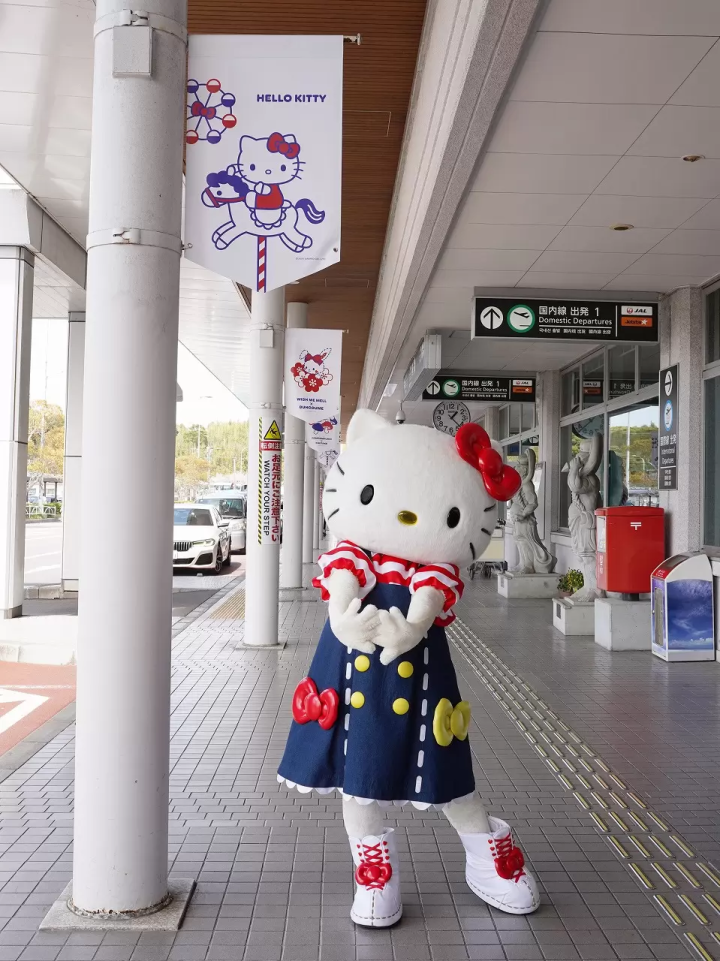
This was not a mere decor update. The thematic overhaul extended to curated photo opportunities (giant bathing buckets, themed hot spring scenes), exclusive Hello Kitty retail, and branded services, including custom luggage tags for departing passengers and a direct bus connection to the nearby Harmonyland Sanrio amusement park.
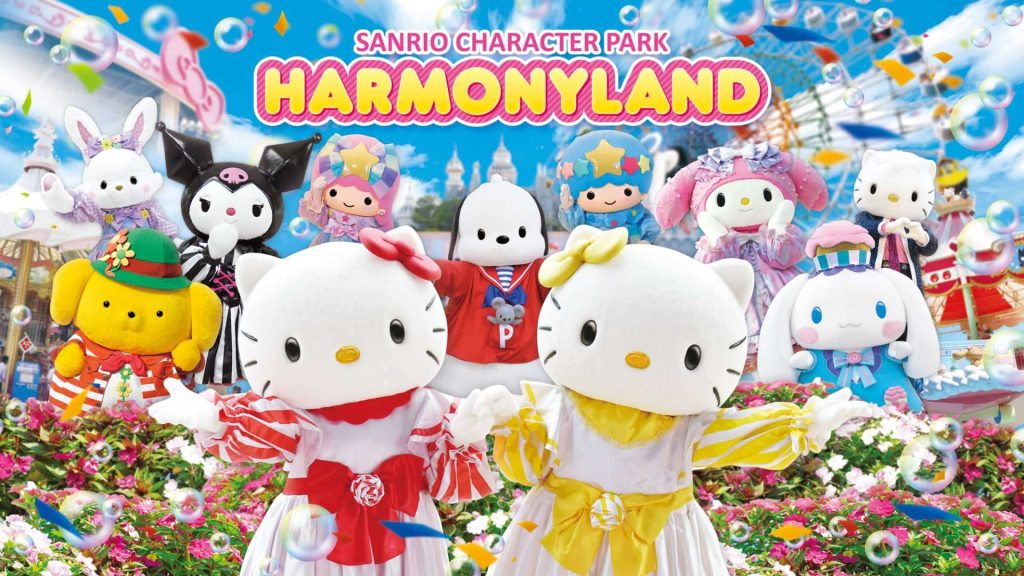
Hello Kitty’s influence was so well-received that, instead of ending the project with the close of Expo 2025, local authorities negotiated an extension through the end of the year, citing “overwhelmingly positive feedback” and an uptick in international and domestic buzz on social and mass media. With expanded decorations planned, Oita’s experiment demonstrates the sustained power of a well-executed character partnership.
In a piece of good news, under a new agreement, the Hello Kitty branding will extend beyond the October 13, 2025 Expo closing date and grace passengers till the end of 2025. There are talks that the branding could move to 2026 with new motifs.
CX Implications: Emotional Engagement and Memorable Moments
What truly sets the Hello Kitty airport experience apart from more traditional travel branding is its ability to surprise and delight passengers of all ages. As ACI World Director General Justin Erbacci noted at the recently held ACI World Airport Experience Summit 2025, “The ACI World Airport Experience Summit is where bold ideas begin to move the world. This is where we turn terminals into stories, technology into meaningful connections, and sustainability into everyday action. The future of the airport experience starts here, with imagination and intent.”—not simply processed through utilitarian spaces.
Hello Kitty theming turns waiting areas, retail zones, and even mundane processes like baggage claim into opportunities for emotional engagement. Every selfie spot and interactive encounter encourages travelers to share their experience online, amplifying airport visibility and brand equity.
The result is a multi-layered CX benefit:
- Higher satisfaction scores from travelers, who feel their needs and preferences for playful, memorable experiences are recognized.
- Increased dwell times in retail areas, translating into greater sales and higher margins on branded merchandise.
- Enhanced perception of the airport as a destination in itself—rather than a mere point of transit—which 55% of global air passengers now factor into airport selection.
Themed Retail and Revenue Opportunities
Travelers are highly receptive to themed retail and pop-up collaborations in airports. Ipsos and JCDecaux research from February 2024 found a staggering 85% of flyers spent money at the airport in the prior year (not including food), and nearly half felt more comfortable buying luxury items in the airport compared to other retail locations. Hello Kitty branded products (keychains, apparel, snacks) are proven revenue drivers, with Oita’s souvenir shops reporting exclusive products and limited-edition merchandise selling out during peak visitor periods. Airports leverage these themed shops to move high-margin character goods and create retail “moments” that encourage spontaneous purchases.
With the popularity of Labubu continue rise globally, animated characters with plush toys components have a distinct space in travellers’ minds.
Trends Reshaping Airport Experience Design
The Hello Kitty airport phenomenon is part of a broader movement to build unique, experiential airport environments. Leading airports are deploying placemaking strategies—making the terminal a destination through immersive design and local cultural expression. For example, Newark’s new Terminal A features colossal multimedia installations, while Abu Dhabi’s Zayed International Airport invested in entertainment zones and recognizable brand activations. Across the globe:
- 70% of travelers express strong satisfaction with experiential airport environments, with travelers expecting 8% growth in travel frequency over the next 12 months.
- 77% of flyers have taken action during or after their trip because of airport advertising or exposure to themed experiences.
Technology trends are further enhancing CX, with airport operators incorporating AI-powered personalization, mobile self-service, and sustainability initiatives to ensure every touchpoint delivers value and surprise. For families and international visitors, branded environments like Hello Kitty offer both a sense of place and a welcoming, universal language.
Hello Kitty: Global Expansion Beyond Airports
Hello Kitty’s travel influence extends well beyond the terminal. EVA Air continues to operate Hello Kitty-themed aircraft on select regional and global routes, offering branded in-flight experiences including Hello Kitty safety cards, meal service, and decor that echoes the kawaii sensibilities of Japanese airports. These flights represent a growing niche in “character-branded travel,” where the flight itself becomes an extension of the themed journey—attracting repeat customers and building loyalty among fans.
Themed airport lounges, gate zones (as seen in Taipei and Taoyuan), and dedicated shuttle services (linking Oita Airport to Harmonyland) illustrate the potential to build multi-channel, continuous experiences that reinforce character storytelling and cross-promote tourism assets. For aspiring airport operators and tourism boards, Hello Kitty’s success story signals a path toward partnerships with other major brands or local icons.
Challenges and Sustainability Considerations
While perks abound, the Hello Kitty airport approach is not without challenges. Operators must carefully balance character theming with efficient passenger processing and local authenticity, ensuring that design choices enhance rather than hinder navigation, accessibility, and comfort. With sustainability rising as a top priority (as 72% of travelers expect “green” airports and eco-friendly initiatives), any branded decor must meet environmental standards, leverage recycled materials, and minimize operational footprint. Airport leaders are tasked with aligning brand partnerships with broader civic goals and cultural narratives.
Future Outlook: The Power of Hello Kitty and Themed Environments
Looking ahead, the extension of Oita Hello Kitty Airport and the broader use of themed experiences mark an important shift in how CX is conceived in travel and leisure. Airports are evolving into “places of sense”—civic gateways that communicate local values, delight diverse travelers, and offer memorable, Instagram-worthy moments. As the travel boom continues (projected to surpass $117 billion in global airport retail sales by 2030), airports that invest in placemaking and branded environments will stand out as destinations, not just thoroughfares.
The airport space is uniquely positioned for cross-generational, cross-cultural engagement, and Hello Kitty’s universal appeal offers a template for future travel innovations—giving rise to the next wave of branded, experience-centric journeys.
Transform For The Better
Hello Kitty’s airport takeover signals a new era for travel CX—where pop culture, emotional resonance, and experiential detail combine to delight travelers and drive commercial success. As airports embrace placemaking and branded environments, the Hello Kitty approach offers a powerful roadmap for creating memorable journeys, building loyalty, and lifting the airport’s role from transit hub to cultural icon.
FAQ – Oita Hello Kitty Airport
- What is the Hello Kitty airport experience?
A themed airport environment, such as Oita Hello Kitty Airport in Japan, where Hello Kitty branding permeates decor, services, retail, and photo zones to create a fun, immersive travel experience. - Why is the theme popular in airports?
The character’s universal appeal and kawaii cultural roots create emotional engagement, which translates into higher passenger satisfaction and social sharing. - How does the theming impact customer experience (CX)?
It transforms mundane airport processes into enjoyable moments, boosting dwell time, satisfaction scores, and airport brand equity. - Does the theming generate more revenue for airports?
Yes, themed merchandise and retail zones see higher sales, supported by research showing most passengers spend money at airports and prefer buying luxury goods there. - Is the airport theme limited to Japan?
No, Hello Kitty branding has extended to international flights (e.g., EVA Air’s Hello Kitty jets) and lounges worldwide, expanding the travel-themed experience. - What trends drive the growth of themed airport experiences?
Increasing passenger demand for engaging environments, the rise of placemaking strategies, digital technology integration, and luxury retail growth all contribute. - Are there any challenges with themed airports?
Challenges include ensuring wayfinding and operational efficiency are not compromised, meeting sustainability standards, and maintaining local cultural authenticity. - How do themed experiences affect airport choice for travelers?
Over 50% of travelers now consider the quality and engagement level of airport experiences when choosing flights. - What role does social media play in Hello Kitty airport experiences?
Social sharing of immersive experiences boosts visibility, word-of-mouth marketing, and passenger excitement, which further enhances brand presence. - What’s the future outlook for Hello Kitty and similar branded airport experiences?
They are expected to expand globally, influencing airport design to create multi-channel brand journeys that elevate airports as cultural and travel destinations.
How Can We Help?
Transformidy is available to assist in helping you understand assess how your company’s experience strategy is effective in generating engagement, satisfaction, and business growth.
Contact us or set up a 30-minute complimentary consultation for more information on our services, insights, or showcases. We look forward to hearing from you.


