
Article
Government NPS Went From -5 to +28. The Fix Was Not a New App.
Government transactional NPS rose from -5 in 2024 to +28 in 2025. The swing did not come from a new app or a redesign. It came from tracking time-to-resolution, a metric most agencies were not measuring at all a year earlier.
- Published
- May 23, 2025
- Updated
- June 18, 2026
- Reading time
- 8 min
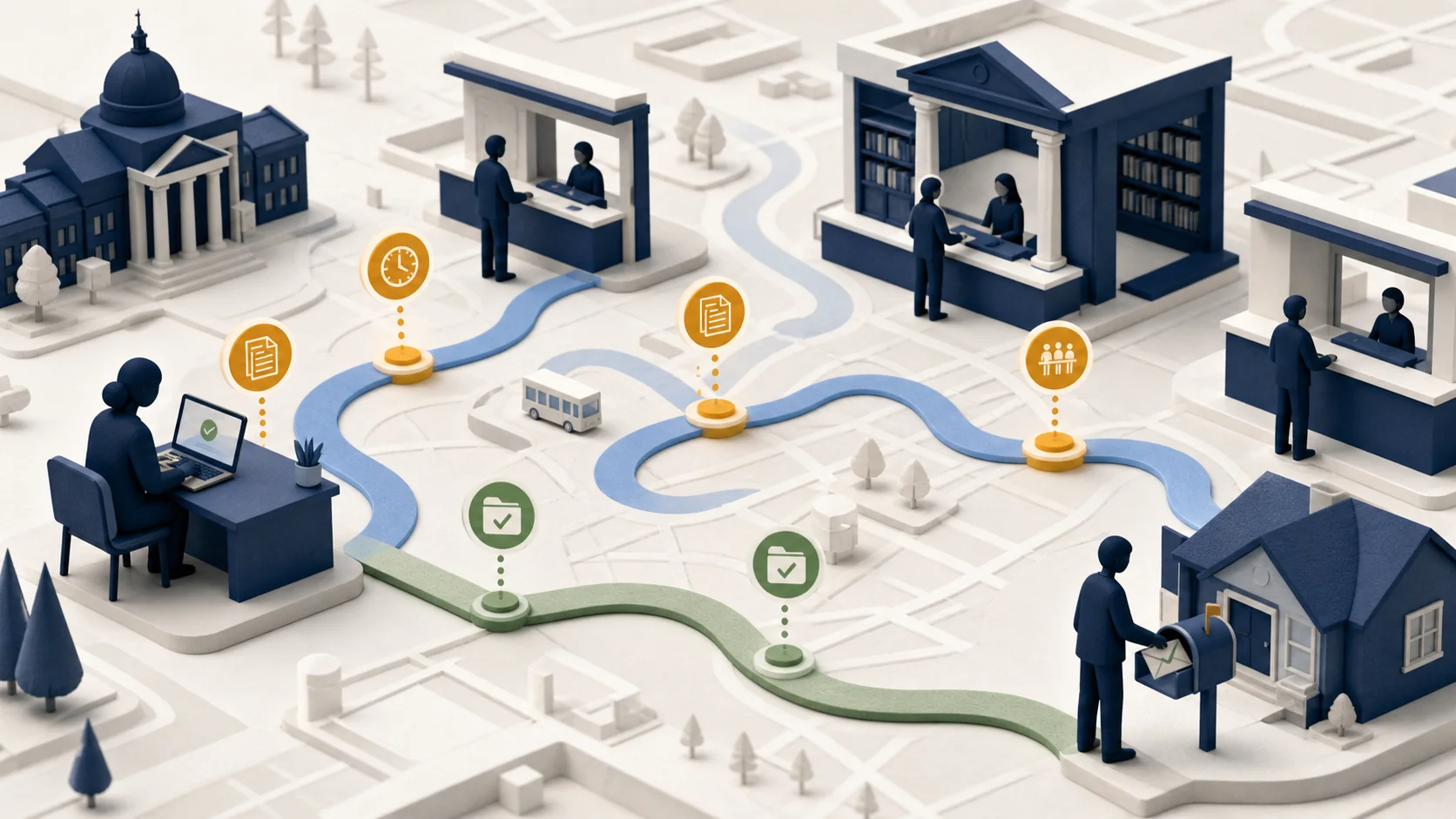
2026 updated analysis
What changed since the original article
This page keeps the original Transformidy article as the canonical record and leads with the current interpretation, source notes, and Revenue Unknown framing.
The 33-Point Swing
Granicus's 2026 State of Digital Government report, based on a survey of more than 550 government communications professionals across North America and informed by roughly 30 billion annual digital interactions across the Granicus platform, found transactional Net Promoter Score for government services rising from -5 in 2024 to +28 in 2025. That is a genuinely large swing for any sector, and a particularly notable one for government services, an area not typically associated with rapid year-over-year satisfaction gains.
The same report documented digital interactions with government growing 25% year over year, and AI adoption expanding substantially: 71% of surveyed organizations reported using AI in some capacity, with 55% using it directly in digital service workflows, and 78% of local governments planning to expand AI use further. Given that backdrop, it would be reasonable to assume AI adoption itself explains the NPS improvement.
The report's data does not fully support that simpler explanation. Agencies monitoring AI-derived sentiment scores did record a 14-point year-over-year increase in positive sentiment, a real and relevant finding. But the more specific, directly tied statistic in the report connects a different practice, tracking time-to-resolution, to the clearest resident-facing outcome: 19% more residents reported feeling "heard" specifically in municipalities where that tracking was in place.
Transactional NPS for government services, 2024 to 2025
19% more residents felt heard specifically where time-to-resolution was tracked.
Measurement, Not Technology
The distinction between "we adopted AI" and "we started tracking time-to-resolution" matters because the two require very different levels of investment and organizational change. AI adoption, at the scale this report documents, involves procurement, integration, staff training, and often significant budget commitment. Tracking and surfacing time-to-resolution is a measurement and communication practice, one that many organizations could implement with existing systems, simply by choosing to track and report a metric they may already be capable of capturing but were not previously surfacing to residents or to their own leadership.
This reframes the -5-to-+28 NPS story in a more actionable way for any government agency, or any large service organization outside government, reading this data. The instinct after seeing a 33-point NPS swing is often to look for the biggest, most visible driver, in this case, AI adoption, and assume that is where the return came from. The report's more granular data suggests the actual, most directly tied lever was smaller and cheaper: measure and communicate how long resolution is taking, and residents respond by feeling more heard, independent of whether the underlying process got any faster.
That is not an argument against AI investment in citizen services, which the report shows delivering real, separate benefits, including a documented 15% average improvement in operational efficiency. It is an argument for sequencing: implement the lower-cost measurement practice first, since it is tied to the clearest resident-facing sentiment gain, and treat larger technology investment as a complementary, not substitute, lever.
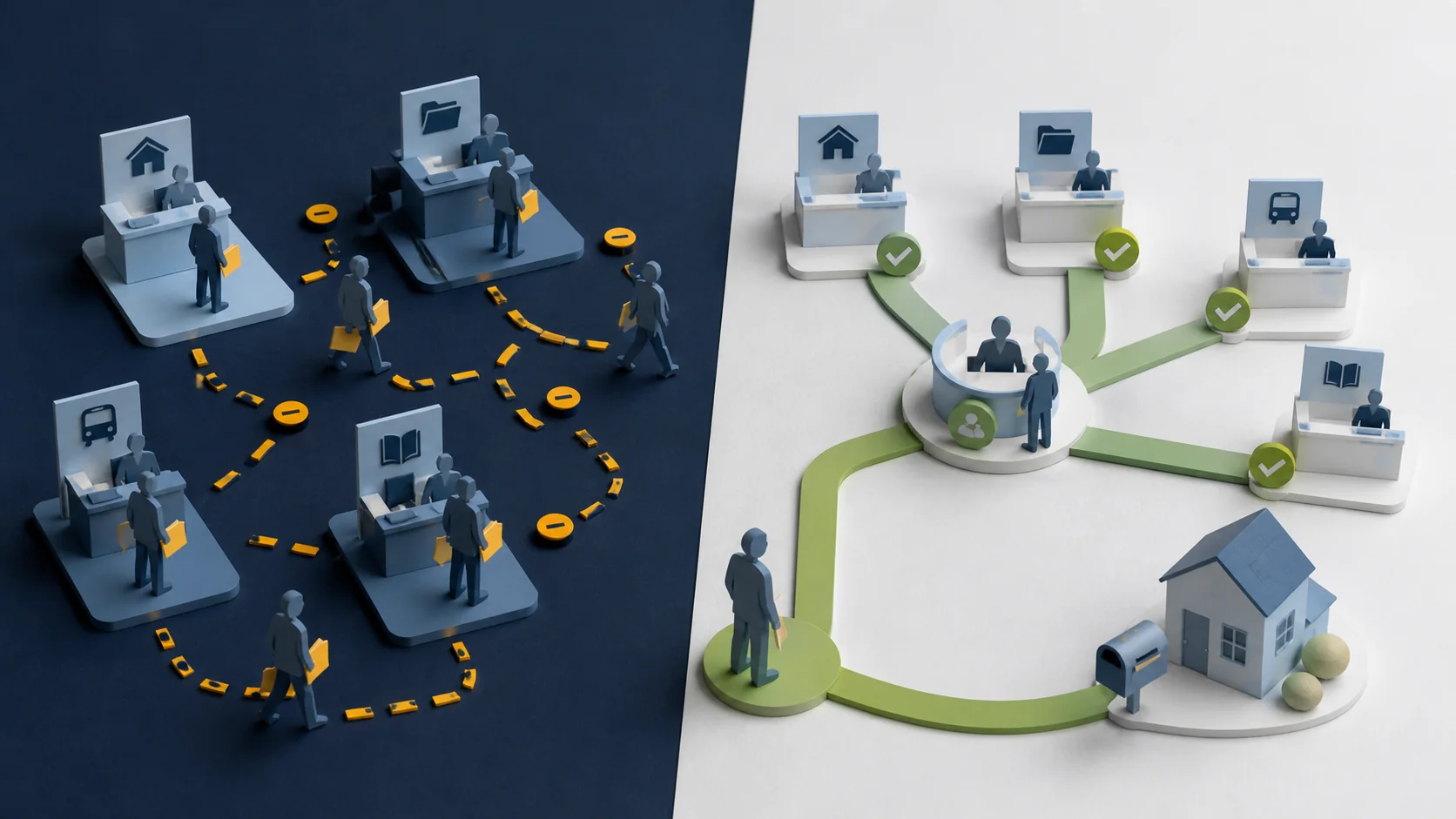
Investing in AI vs. Tracking Time-to-Resolution
One is the expensive, visible fix. The other is the cheap, specific one the data actually points to.
AI investment: procurement, integration, and training, delivering real but broader efficiency gains (a documented 15% average operational improvement). Resolution-time tracking: a comparatively low-cost measurement and communication practice, tied specifically to the 19% increase in residents reporting they felt heard, a more direct and more affordable lever for the exact sentiment metric this report highlights.
The Leadership Move
The structural choice for government service and citizen experience leadership is whether to default to the largest, most visible investment, a broad AI or digital transformation initiative, or to first implement the specific, lower-cost measurement practice the data ties most directly to improved resident sentiment.
- Ownership
Citizen experience and service delivery leadership own the decision to implement and surface time-to-resolution tracking as a near-term priority, distinct from and prior to any larger AI or technology transformation initiative, given the specific evidence tying it to resident sentiment.
- Tradeoff
Prioritizing measurement and transparency over a flashier technology rollout may be a harder internal sell, since it produces less visible, less announceable progress than a new AI-powered citizen service. The tradeoff against that harder sell is capturing a documented, low-cost sentiment improvement, 19% more residents feeling heard, without waiting for a larger technology budget cycle.
- Human consequence
A resident who can see how long their service request is taking, and that it is actively progressing, experiences government interaction as responsive even before the underlying issue resolves, a materially different experience than submitting a request into an opaque, unmeasured process.
Next Move
If your agency has not implemented time-to-resolution tracking: Treat it as a near-term, lower-cost priority ahead of larger AI or digital transformation investments, given its direct tie to resident sentiment in this data.
If you are planning a broader citizen experience or CX technology investment: Ensure resolution-time tracking and reporting are part of the scope, not an afterthought, since it appears to be the specific lever most directly tied to improved satisfaction.
FAQ
How much did government transactional NPS actually improve?
Granicus's 2026 State of Digital Government report found transactional Net Promoter Score for government services rising from -5 in 2024 to +28 in 2025, a 33-point swing, based on a survey of more than 550 government communications professionals across North America and informed by roughly 30 billion annual digital interactions across the Granicus platform.
What specifically drove the improvement?
The report ties the swing to municipalities tracking time-to-resolution metrics: 19% more residents reported feeling "heard" specifically where that tracking was in place. Agencies monitoring AI-derived sentiment scores also recorded a 14-point year-over-year increase in positive sentiment, and digital interactions overall grew 25% year over year.
Was this driven mainly by new technology or AI adoption?
AI adoption was part of the broader picture, with 71% of surveyed organizations using AI in some capacity and 55% using it in digital service workflows, but the specific driver tied to the resident-feeling-heard improvement was a measurement practice, tracking time-to-resolution, not a new citizen-facing technology or app.
What should a government agency or any service organization take from this finding?
That measuring and surfacing resolution time itself, independent of any new technology deployment, appears to meaningfully change how citizens or customers perceive being heard. An organization looking to improve satisfaction scores could start by simply tracking and reporting time-to-resolution consistently, before assuming a larger technology investment is required.
Sources & References
Original article archive
Original article published May 23, 2025: "Focus Into Citizen Experience: A Leader's Advantage". Preserved here for provenance, historical context, and citation continuity.
In an era of rapid technological advancement and evolving societal expectations, the concept of citizen experience has become a critical focus for governments worldwide. This Transformidy insight focuses on the transformative power of prioritizing citizen experience, exploring its definition, benefits, challenges, and future prospects.
As we navigate through the intricacies of this vital aspect of governance, we'll uncover how it's reshaping the relationship between citizens and their governments, and why it's more relevant now than ever before.
What Is Citizen Experience?
While customer experience focuses on the quality and efficiency of service delivery, citizen experience encompasses the broader relationship between individuals and government. It includes not only transactions but also the emotional, social, and civic dimensions of engagement. CE recognizes citizens as whole persons with diverse needs, life circumstances, and expectations for transparency, equity, and participation.
For example, a citizen renewing a health card may also be seeking information on social assistance, housing, or employment supports. A citizen experience approach anticipates these needs, providing seamless access, clear guidance, and personalized support across government touchpoints.
The Advantages And Challenges Of Building Great Citizen Experience?
Implementing a robust citizen experience strategy comes with both advantages and challenges. On the positive side, a well-executed approach can lead to increased trust in government, improved service delivery, and higher levels of civic engagement. When citizens have positive interactions with government services, they're more likely to participate in democratic processes and feel connected to their communities. Furthermore, streamlined services can result in cost savings for government agencies and reduced frustration for citizens.
However, there are also potential drawbacks to consider. Implementing comprehensive citizen experience frameworks often requires significant upfront investment in technology and training. There may be resistance to change within government organizations, and there's always the risk of excluding certain populations if digital solutions are not implemented with accessibility in mind. Additionally, balancing personalization with privacy concerns can be a delicate task for government agencies.
Common Pain Points Citizens Face When Interacting with Government Services
Based on multiple government and industry analyses, the most frequent pain points include:
- Lack of Transparency and Information Access
Citizens often cannot easily find accurate, up-to-date information about services, procedures, progress of applications, entitlements, or obligations. - Complex, Tedious Administrative Processes
Lengthy paperwork, multiple visits, repeated information requests, and unclear steps to reach outcomes cause frustration and inefficiency. - Poor Communication and Updates
Citizens are frequently unaware of progress or important changes related to their requests or entitlements. - Limited Accessibility and Usability
Services may not be accessible to people with disabilities, limited digital literacy, or language barriers. - Inconsistent or Insufficient Support
Staff may lack skills or resources to resolve issues on first contact, leading to multiple calls and low satisfaction. - Inability to Use Preferred Channels
Citizens are often forced to use inconvenient channels or switch between multiple channels to complete tasks. - Lack of Accountability and Follow-up
Government agencies may fail to provide consistent messaging, timely follow-up, or clear accountability for service delivery.
How Common Government Service Pain Points Make Citizens Feel Individually
- Unaware of Progress or Important Changes
Citizens feel anxious and powerless when they don’t know the status of their applications or if important policy changes affect them. This uncertainty causes stress because they cannot plan their lives effectively, leading to frustration and sometimes despair. - Difficult to Find Information
When information is scattered or overwhelming, people feel confused and overwhelmed. The effort required to locate accurate details can be exhausting, especially for vulnerable populations, leading to disengagement or giving up on seeking help. - Difficult to Understand or Use Information
Complex language, inaccessible formats, or outdated content make citizens feel excluded and frustrated. They may feel unintelligent or marginalized when they cannot comprehend the information meant to assist them. - Not Aware of Available Support
Missing out on support services because of lack of awareness leads to feelings of neglect and isolation. Citizens may feel the system is indifferent to their needs, which can exacerbate hardship. - Uncertain About Entitlements and Obligations
Complex rules cause confusion and fear of non-compliance. Citizens may worry about penalties or missing out on benefits, which creates anxiety and mistrust in the fairness of government. - Unclear How to Reach an Outcome
When pathways to resolution are unclear, citizens feel lost and helpless. The need to navigate multiple agencies or steps without guidance causes frustration and a sense of being trapped in bureaucracy. - Too Much Time and Effort to Complete Tasks
Long waits and repetitive processes lead to fatigue and resentment. For those in urgent need, delays can be devastating, causing feelings of abandonment. When services do not accommodate individual needs, citizens feel ignored and disempowered, sometimes resorting to workarounds or abandoning attempts altogether. - Required to Provide Information Multiple Times
Repetitive requests for the same information feel disrespectful and dismissive of citizens’ time and effort. This redundancy breeds irritation and distrust in government efficiency. - Unable to Use Preferred Channel
Being forced into inconvenient or inaccessible channels causes frustration and exclusion, especially for those with disabilities or limited digital skills. - Not Getting the Right Support
Poor support or unskilled staff cause disappointment and helplessness. Citizens may feel the system is uncaring or incompetent.
How These Pain Points Reduce Trust in Government
Trust is a fragile social contract, and these negative experiences directly undermine it in several ways:
- Erosion of Reliability and Competence Perception:
When citizens encounter confusing processes, delays, or repeated requests, they perceive government as inefficient and unreliable. This damages confidence that government can deliver on promises or manage public resources effectively. - Loss of Transparency and Fairness:
Lack of clear information and opaque procedures foster suspicion that governments are hidinginformation or treating citizens unfairly. This perception fuels cynicism and disengagement. - Emotional Impact Leading to Disengagement:
Frustration, confusion, and feelings of neglect make citizens less likely to engage with government services or participate in democratic processes, weakening social cohesion and compliance. - Fear of Negative Consequences:
Uncertainty about entitlements and obligations can create fear of penalties or exclusion, reducing voluntary compliance and increasing stress. - Amplification Through Social Networks:
One person’s negative experience can spread through communities, magnifying distrust and skepticism about government institutions and digital services. - Reduced Willingness to Collaborate or Provide Feedback:
As trust diminishes, citizens are less inclined to share opinions or participate in consultations, which hinders governments’ ability to improve services and policies.
Emotional and Trust Impacts of Common Pain Points
| Pain Point | How It Makes Citizens Feel | How It Reduces Trust in Government |
|---|---|---|
| Unaware of Progress | Anxious, powerless | Perceived lack of transparency and responsiveness |
| Difficult to Find Information | Confused, overwhelmed | Perceived disorganization and inefficiency |
| Difficult to Understand Info | Excluded, frustrated | Perceived inaccessibility and elitism |
| Not Aware of Support | Neglected, isolated | Perceived indifference and poor outreach |
| Uncertain Entitlements | Confused, fearful | Perceived unfairness and complexity |
| Unclear How to Reach Outcome | Lost, helpless | Perceived bureaucratic opacity |
| Too Much Time/Effort, Not Getting Right Support | Fatigued, resentful, disappointed, helpless | Perceived inefficiency and lack of citizen focus and perceived incompetence and lack of empathy |
| Provide Info Multiple Times | Disrespected, irritated | Perceived government waste and poor coordination |
| Unable to Use Preferred Channel | Frustrated, excluded | Perceived lack of accessibility and inclusivity |
| Difficult/Impossible to Complete | Ignored, disempowered | Perceived uncaring and inflexible systems |
Key Components of a Comprehensive Citizen Experience Strategy to Manage These Pain Points
1. Ranking of Strategy Based on Customer Experience (CX) Improvement Potential
2. How to Enforce These Strategies (People, Process, Technology Requirements)
| Strategy Component | People Requirements | Process Requirements | Technology Requirements |
|---|---|---|---|
| Unified Communication & Progress Tracking | Dedicated communication teams; training in plain language and transparency | Standardized progress update protocols; clear escalation paths | Integrated CRM and case management systems with citizen portals and notifications |
| Simplification & Digitization | Process analysts; digital transformation leads | Process mapping and redesign; elimination of redundant steps | User-friendly digital platforms; online forms; workflow automation |
| Multi-Channel Accessible Delivery | Accessibility specialists; customer service reps trained in multiple channels | Channel integration policies; accessibility standards compliance | Omnichannel platforms; mobile apps; assistive technologies |
| First Contact Resolution & Staff Training | Skilled frontline staff; ongoing training programs | Clear FCR targets; knowledge management; escalation procedures | CRM systems with knowledge bases and AI support tools |
| Cross-Department Collaboration | Cross-functional leadership teams; partnership managers | Data-sharing agreements; joint governance frameworks | APIs for data exchange; shared data repositories; interoperability standards |
| Accountability & Follow-up | Quality assurance teams; compliance officers | Defined accountability roles; follow-up procedures; reporting | Dashboards for monitoring KPIs; automated alerts and reminders |
| Citizen Feedback & Continuous Improvement | Feedback analysts; service designers | Regular review cycles; citizen engagement forums | Feedback collection tools; analytics platforms |
3. Potential Timelines
| Strategy Component | Short-Term (0-6 months) | Medium-Term (6-18 months) | Long-Term (18+ months) |
|---|---|---|---|
| Unified Communication & Progress Tracking | Pilot progress notifications; staff training | Expand communication channels; integrate CRM | Full real-time tracking and transparency |
| Simplification & Digitization | Map key processes; launch digital forms | Automate workflows; reduce paperwork | Fully paperless, end-to-end digital services |
| Multi-Channel Accessible Delivery | Assess channel preferences; improve phone and web access | Launch mobile apps; enhance accessibility | Omnichannel seamless integration |
| First Contact Resolution & Staff Training | Train frontline staff; establish FCR metrics | Implement knowledge management tools | AI-assisted support; continuous training |
| Cross-Department Collaboration | Establish governance committees; data-sharing pilots | Develop APIs and shared platforms | Fully integrated service ecosystems |
| Accountability & Follow-up | Define roles; implement basic reporting | Automate follow-ups; monitor KPIs | Predictive analytics for proactive accountability |
| Citizen Feedback & Continuous Improvement | Launch surveys and feedback channels | Analyze data; implement improvements | Institutionalize continuous improvement culture |
4. Potential Costs
| Strategy Component | Cost Drivers |
|---|---|
| Unified Communication & Progress Tracking | CRM implementation; staff training |
| Simplification & Digitization | Process redesign consulting; platform development |
| Multi-Channel Accessible Delivery | Platform upgrades; accessibility compliance |
| First Contact Resolution & Staff Training | Training programs; knowledge management tools |
| Cross-Department Collaboration | Governance setup; API development; data security |
| Accountability & Follow-up | QA teams; monitoring software |
| Citizen Feedback & Continuous Improvement | Feedback tools; analytics software |
Note: Costs vary widely depending on government size, existing infrastructure, and scope.
5. Potential Benefits
| Strategy Component | Benefits | Quantifiable Metrics / Outcomes |
|---|---|---|
| Unified Communication & Progress Tracking | Increased citizen satisfaction; reduced inquiries | 20-40% reduction in status calls; higher trust scores |
| Simplification & Digitization | Faster service delivery; lower operational costs | 30-50% reduction in processing time; cost savings |
| Multi-Channel Accessible Delivery | Greater accessibility and inclusion; higher adoption | Increased digital uptake; improved accessibility compliance |
| First Contact Resolution & Staff Training | Higher first-contact resolution; improved satisfaction | FCR rates >80%; satisfaction scores >75/100 |
| Cross-Department Collaboration | Seamless journeys; reduced duplication | Reduced repeated info requests by 50%; improved efficiency |
| Accountability & Follow-up | Increased transparency; reduced complaints | Decreased complaint rates; improved audit outcomes |
| Citizen Feedback & Continuous Improvement | Services aligned with citizen needs; innovation | Increased positive feedback; continuous service improvements |
Note: Benefits vary widely depending on government size, existing infrastructure, and scope.
How Do You Measure Citizen Experience Success?
Measuring citizen experience is crucial for continuous improvement and accountability. Best practices include using a combination of quantitative and qualitative metrics. Surveys, focus groups, and analysis of service usage data can provide valuable insights. Key performance indicators might include citizen satisfaction scores, time to resolution for inquiries, and adoption rates of digital services.
The Common Measurements Tool (CMT) is one example of a standardized approach used by some governments to track citizen experience over time. Canada and New Zealand are considered leaders in using CMT to collect citizen experience data. Here are two examples:
Canada - Client Satisfaction Surveying:Common Measurements Tool
https://publications.gc.ca/collections/Collection/SC94-68-1998E.pdf
New Zealand - A Guide to using the Common Measurements Tool
https://www.publicservice.govt.nz/assets/DirectoryFile/Common-Measurements-Tool-updated-March2011.pdf
Citizen Experience - Return on Investment
The return on investment (ROI) for improving citizen experience can be substantial. Research indicates that enhancing citizen satisfaction can lead to increased trust in government, more efficient use of public resources, and even improved compliance with regulations. For instance, studies have shown that each time a federal agency's satisfaction score increases by a point, there's a corresponding increase in positive word-of-mouth, trust, and citizen cooperation.
Enhancing citizen experience not only improves satisfaction but can also lead to significant cost savings and increased efficiency for governments at all levels. By streamlining processes and leveraging technology, governments can reduce operational expenses while delivering better services to their constituents. One of the most impactful strategies is digital transformation, which involves moving services online and digitizing traditionally paper-based processes.
How Do Different Countries Approach Citizen Experience?
Different countries have adopted various approaches to managing citizen experience across levels of government. In Australia, the New South Wales app exemplifies a whole-of-government approach, offering citizens access to multiple services through a single platform.

Estonia
Estonia has been a pioneer in digital government services, with its comprehensive e-government initiatives. The country has digitized nearly all government services, leading to:
- Estimated annual savings of 2% of GDP
- 99% of government services available online
- 80% of the population using a Digital ID
These efforts have resulted in increased efficiency and accessibility for citizens.
United Kingdom
The UK's Government Digital Service (GDS) has revolutionized service design by shifting focus to user needs. This approach has led to:
- Improved customer satisfaction
- More efficient use of public resources
- Enhanced trust in government services
Australia
The Australian Taxation Office implemented digital self-service options, resulting in:
- Faster processing times
- Reduced operational costs
- Improved overall citizen satisfaction
Singapore
Singapore's Government Technology Agency has focused on using digital technologies to enhance citizen experience. This has led to:
- More personalized services
- Increased efficiency in service delivery
- Higher levels of citizen engagement
Canada
The Canadian Digital Services agency has worked on improving digital services, resulting in:
- Enhanced accessibility of government services
- Improved user satisfaction
- More efficient service delivery
Additionally, ServiceOntario handles more than 70 million transactions across multiple domains and has introduced new digital accessibility to simplify common tasks.
Denmark
Denmark's "cocreate" campaign for environmental solutions demonstrates the country's commitment to citizen engagement. This approach has led to:
- Increased citizen participation in policy-making
- More innovative solutions to environmental challenges
- Higher levels of trust in government initiatives
South Korea
South Korea's Civic Participatory Service Design Team engages citizens in developing policy solutions. Benefits include:
- More citizen-centric policies
- Increased public trust in government decisions
- Improved service delivery based on actual citizen needs
These examples demonstrate that investing in citizen experience design can lead to significant benefits, including increased efficiency, higher citizen satisfaction, and improved trust in government services. By focusing on user needs and leveraging digital technologies, these countries have transformed their approach to public service delivery, resulting in more responsive and effective governance.
These examples highlight the importance of cross-agency collaboration and a unified vision for citizen experience. Lessons learned include the need for strong leadership support, continuous user feedback, and the importance of accessibility and inclusivity in service design.
Future Of Citizen Experience
Looking to the future, citizen experience is set to be transformed by several key trends. Digital transformation will continue to play a central role, with governments increasingly leveraging artificial intelligence, machine learning, and data analytics to personalize services and predict citizen needs. The rise of digital identity ecosystems will enable more seamless and secure interactions across various government services.
Data management and privacy will be critical considerations as governments collect and utilize more citizen data. Striking the right balance between personalization and privacy protection will be an ongoing challenge. Collaboration between departments, different levels of government, and even between countries will likely increase, driven by the need to address complex, cross-border issues and share best practices.
Digital Self Service
The implementation of self-service options has proven to be a game-changer for citizen experience to many global government agencies. The Australian Taxation Office, for instance, has seen remarkable improvements in efficiency and cost reduction by introducing digital self-service platforms. These tools allow citizens to complete tasks such as filing tax returns or updating personal information without direct assistance from government staff, thereby reducing the workload on employees and cutting down on processing times. The shift not only saves money but also improves the overall experience for citizens who can now access services at their convenience.
Automation
Automation of routine tasks is another area where governments can achieve substantial efficiency gains. The City of Los Angeles provides an excellent example with its "MyLA311" app, which enables residents to report issues such as potholes or graffiti directly through their smartphones. This system automates the process of logging and routing complaints, reducing the need for manual processing and significantly improving response times. By freeing up government employees from handling routine inquiries, they can focus on more complex issues that require human expertise and judgment.
Data Analysis
Data-driven decision-making is increasingly becoming a cornerstone of efficient governance. The U.S. Census Bureau's innovative approach to the 2020 Census showcases how leveraging data and technology can lead to substantial cost savings. By investing in advanced data collection and analysis tools, the Bureau was able to conduct the census more efficiently, resulting in an estimated US$1.9 billion in savings compared to traditional methods. This not only demonstrates the financial benefits of embracing technology but also highlights how data can be used to allocate resources more effectively and make informed policy decisions.
Communication
Streamlined communication across various government departments and with citizens is another area ripe for improvement. Santa Fe County's implementation of Comm100 Live Chat is a prime example of how modernizing communication channels can enhance efficiency. This platform allowed the county to handle a higher volume of inquiries while providing better service, reducing the need for in-person visits or phone calls. Such omnichannel communication strategies not only improve citizen satisfaction but also reduce redundancy and operational costs associated with managing multiple, disconnected communication systems.
Low-Hanging Fruits of Citizen Experience
While these large-scale initiatives can yield significant benefits, there are also numerous "low-hanging fruits" that governments can quickly implement to improve citizen experience and showcase their commitment to service enhancement.
One of the simplest yet most effective strategies is ensuring that government websites and services are mobile-optimized. With over 60% of web traffic now originating from mobile devices, making government services accessible via smartphones and tablets can dramatically improve accessibility and user satisfaction. This relatively straightforward update can have an immediate and noticeable impact on how citizens interact with government services.
Simplifying website navigation is another quick win that can significantly enhance user experience. By streamlining the steps needed to complete common actions and improving overall usability, governments can reduce frustration and increase the likelihood that citizens will successfully access the information or services they need. This can be achieved through user testing and iterative design improvements, often without the need for extensive redevelopment of existing systems.
Multilingual support is increasingly important in diverse communities. Offering government services and information in multiple languages can greatly improve accessibility and inclusivity. San Antonio, Texas, for example, has taken steps to conduct meetings and provide materials in multiple languages, recognizing the diverse linguistic needs of its population. This approach not only improves communication but also fosters a sense of inclusivity and respect for all community members.
Implementing simple feedback mechanisms, such as surveys or comment boxes on government websites and services, is a low-cost way to quickly identify pain points and areas for improvement. This direct line of communication with citizens can provide valuable insights and demonstrate the government's commitment to responsive service.
The deployment of AI-powered chatbots to handle frequently asked questions is another relatively quick implementation that can yield immediate benefits. By automating responses to common queries, governments can reduce wait times for citizens and free up staff to handle more complex issues. This technology can be particularly effective for high-volume services such as general information requests or simple application status checks.
Leveraging social media platforms for engagement is a cost-effective way to share updates, gather feedback, and interact with citizens in a more informal and accessible manner. Many government agencies have found success in using platforms like X (formerly Twitter), Facebook, and Instagram, etc. to disseminate important alerts and fun information quickly. Social media can be used to engage in two-way communication with constituents.
Identifying and digitizing high-volume, low-complexity services can provide immediate benefits to citizens while showcasing the government's commitment to modernization. Services such as online appointment booking or document requests are often good candidates for quick digitization projects that can deliver tangible improvements in citizen experience.
Finally, implementing transparent progress tracking for applications or requests can significantly reduce uncertainty and follow-up inquiries from citizens. Even a simple status update system can provide peace of mind and improve the overall experience of interacting with government services.By focusing on these readily achievable improvements, governments can quickly demonstrate their commitment to enhancing citizen experience.
These initiatives not only provide immediate benefits but also lay the groundwork for more comprehensive long-term solutions. As governments continue to evolve and adapt to changing citizen expectations, the focus on improving citizen experience will remain crucial for building trust, increasing efficiency, and delivering better outcomes for communities.
Transform For The Better
Considerations for leaders to truly transform citizen experience, government leaders should consider the following:
- Adopt a citizen-centric mindset: Prioritize understanding citizen needs and preferences through regular engagement and feedback mechanisms.
- Invest in digital infrastructure: Ensure robust, secure, and accessible digital platforms that can evolve with technological advancements.
- Foster a culture of innovation: Encourage experimentation and learning from both successes and failures in service delivery.
- Prioritize data governance: Implement strong data management practices that balance utility with privacy and security concerns.
- Develop cross-functional teams: Break down silos and create diverse teams that can approach citizen experience holistically.
- Set clear metrics and accountability: Establish measurable goals for citizen experience and tie them to performance evaluations at all levels.
- Embrace continuous improvement: Regularly assess and refine services based on citizen feedback and changing needs.
Five Key Takeaways
- Citizen experience is crucial for building trust and efficiency in government services.
- Measuring and benchmarking citizen satisfaction is essential for continuous improvement.
- Digital transformation and AI will play pivotal roles in shaping future citizen experiences.
- Cross-agency collaboration and data governance are critical for success.
- Adapting to change while maintaining consistent service quality is an ongoing challenge for governments.
Next Steps
Transformidy is available to help you understand your brand, company or agency’s value proposition and maximize your customer experience strategy for business growth, engagement, and satisfaction.
Contact us or set up a 30-minute complimentary consultation for more information on our services, insights, or showcases. We look forward to hearing from you.
FAQ
How much did government transactional NPS actually improve?
Granicus's 2026 State of Digital Government report found transactional Net Promoter Score for government services rising from -5 in 2024 to +28 in 2025, a 33-point swing, based on a survey of more than 550 government communications professionals across North America and informed by roughly 30 billion annual digital interactions across the Granicus platform.
What specifically drove the improvement?
The report ties the swing to municipalities tracking time-to-resolution metrics: 19% more residents reported feeling 'heard' specifically where that tracking was in place. Agencies monitoring AI-derived sentiment scores also recorded a 14-point year-over-year increase in positive sentiment, and digital interactions overall grew 25% year over year.
Was this driven mainly by new technology or AI adoption?
AI adoption was part of the broader picture, with 71% of surveyed organizations using AI in some capacity and 55% using it in digital service workflows, but the specific driver tied to the resident-feeling-heard improvement was a measurement practice, tracking time-to-resolution, not a new citizen-facing technology or app.
What should a government agency or any service organization take from this finding?
That measuring and surfacing resolution time itself, independent of any new technology deployment, appears to meaningfully change how citizens or customers perceive being heard. An organization looking to improve satisfaction scores could start by simply tracking and reporting time-to-resolution consistently, before assuming a larger technology investment is required.
Related intelligence
Article
A Third of Walmart's Operating Income Now Comes From Ads and Memberships
Advertising and membership fees now account for a third of Walmart's operating income. Walmart Connect grew 41% in a quarter when retail sales grew about 5%, eight times faster. Retail media margins exceed 70%. Walmart is no longer just a retailer that also sells ads.
Article
AI in Hospitality: Personalization and Guest Experience Risk
Hotels deployed AI for personalization and staff augmentation. But automation that removes human touch from high-stakes moments (room issues, service recovery) creates guest frustration. Successful properties used AI to enable staff, not replace judgment.
Article
Department Store Strategy: Identity vs. Omnichannel
Department stores pursued omnichannel integration to compete with specialists and e-commerce. But integration without identity eroded customer loyalty. Successful stores rebuilt around curation and experience, not channel consolidation.