
Article
Record Ad Prices, Seven-Year-Low Brand Recall
Super Bowl ads hit a record $10 million for 30 seconds in 2026. In the same broadcast, 22% of viewers could not remember the brand after watching, a seven-year low. Most ads tested at only 2.7 out of 5.9 possible stars. The price and the effectiveness moved in opposite directions.
- Published
- February 9, 2026
- Updated
- June 18, 2026
- Reading time
- 7 min
2026 updated analysis
What changed since the original article
This page keeps the original Transformidy article as the canonical record and leads with the current interpretation, source notes, and Revenue Unknown framing.
22% and a 2.7-Star Average
System1's testing of Super Bowl 60 ads found 22% of viewers could not remember which brand they had just watched an ad for, a seven-year low in brand recall performance. That figure arrived in the same broadcast where 30-second spots sold for a record $10 million or more, a pricing environment that would intuitively suggest advertisers were confident in the platform's ability to deliver brand impact.
The underlying creative quality data explains why recall suffered. Most Super Bowl ads tested at an average of just 2.7 stars out of a possible 5.9-star maximum on System1's scoring system, a middling result System1's own analysis characterized as producing only "modest brand-building results." The record price paid for the slot did not translate into a correspondingly high level of creative execution across the field of advertisers.
That combination, record price, seven-year-low recall, average creative quality, is the actual story underneath this year's Super Bowl advertising coverage. The headline price figure gets the attention; the effectiveness data explains whether that price was actually well spent for the typical advertiser, and the answer, for a meaningful share of them, was no.
Of viewers could not remember the advertised brand, a seven-year low
Most tested ads scored just 2.7 stars out of a possible 5.9, even at record $10 million-plus media prices.
"Worth the Cost, If..."
System1's own conclusion is a direct, conditional statement worth quoting exactly: "Yes, Super Bowl ads are worth the cost if your brand has the creative quality to match the level of investment." That "if" is the entire finding. It is not a blanket endorsement of Super Bowl advertising's value at any execution level; it is a specific claim that the return depends almost entirely on creative quality clearing a high bar, one the same analysis shows most 2026 advertisers, averaging 2.7 out of 5.9 stars, did not clear.
This reframes how a brand should think about the Super Bowl advertising decision. The record media price is a fixed, known cost. Whether that cost produces a strong return is not primarily determined by the price paid or the platform's scarcity, both roughly equal across advertisers competing for similar slots; it is determined by the specific creative execution each individual brand brings to the opportunity. A brand with average creative execution, per this data, risks paying a record price for a below-average outcome.
The practical implication is that the Super Bowl advertising decision is really two decisions bundled together: whether to pay the record media cost, and separately, whether the organization has the creative capability to produce work in the upper tier of System1's scoring range. A business confident in the first but not the second is, per this data, making a weaker bet than the headline price alone suggests.
Paying for the Slot vs. Earning the Recall
One is a media transaction. The other is a creative execution bar most advertisers did not clear.
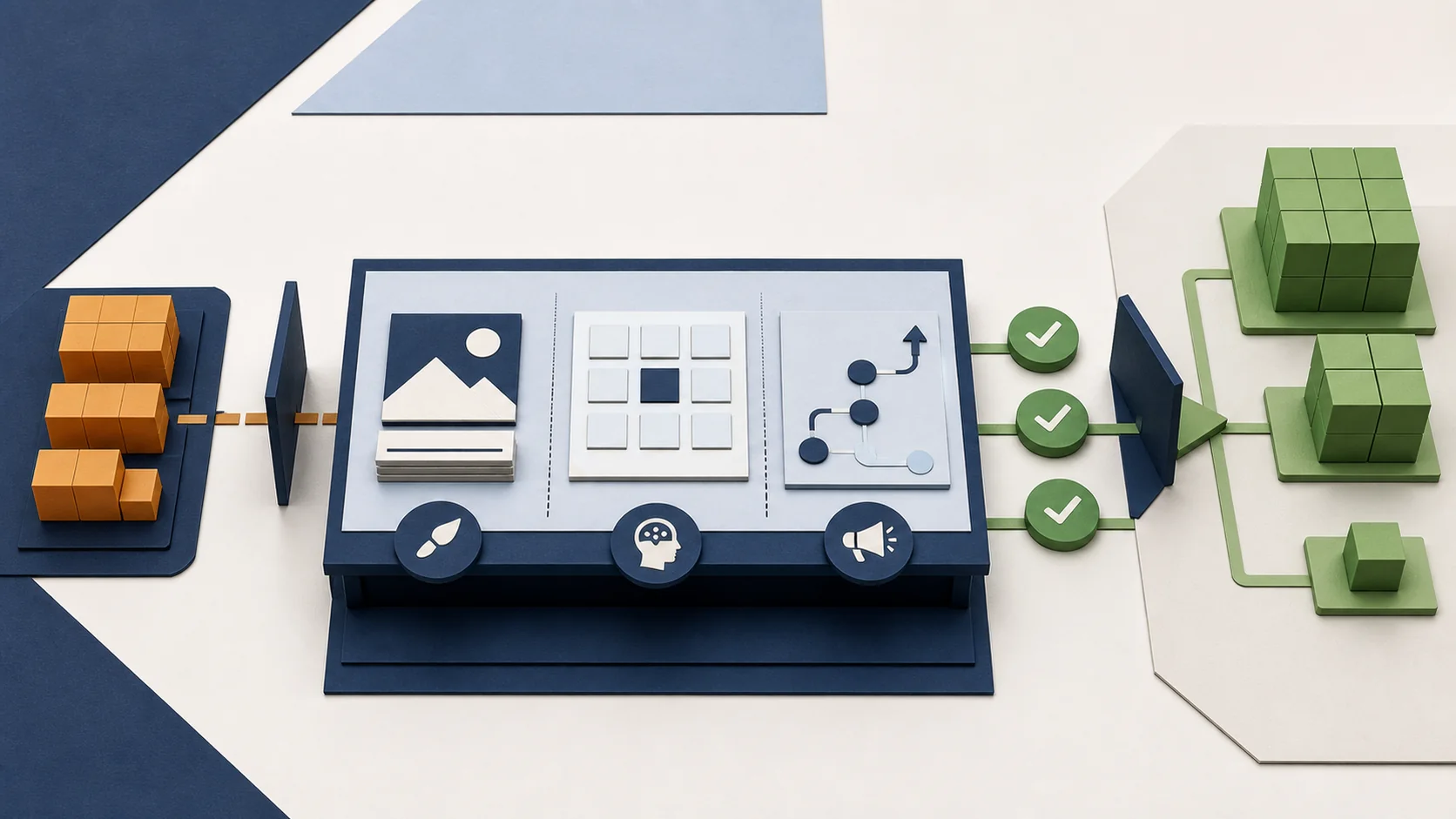
Paying for the slot: a fixed, record-level media cost that guarantees placement but not effectiveness, the variable most Super Bowl coverage focuses on. Earning the recall: the creative execution quality that actually determines whether viewers remember the brand afterward, where System1's 2.7-star average and 22% recall failure rate show most 2026 advertisers falling short.
"Yes, Super Bowl ads are worth the cost if your brand has the creative quality to match the level of investment."
The Leadership Move
The structural choice for any brand considering Super Bowl or comparable premium advertising is whether to treat the media buy itself as the primary investment decision, or to treat creative execution capability as the actual determinant of return, with the media buy as a secondary, dependent decision.
- Ownership
Brand marketing and creative leadership own the responsibility to honestly assess their organization's creative execution capability against System1's benchmark data before committing to a record-cost media placement, rather than assuming the platform's scarcity alone guarantees a strong return.
- Tradeoff
Investing sufficiently in creative development to clear the upper tier of System1's scoring range requires more time, talent, and budget beyond the media cost itself. The tradeoff against that additional investment is joining the majority of 2026 advertisers whose average 2.7-star creative quality contributed to a seven-year-low recall rate across the broadcast.
- Human consequence
Viewers watching a broadcast of largely average-quality creative work experienced Super Bowl advertising as forgettable for a meaningful share of the ads shown, a real, measured outcome that record media pricing did nothing to prevent.
Next Move
If you are planning a future Super Bowl or comparable premium ad placement: Benchmark your creative development process against System1's 2.7-star average and 22% recall-failure data, and treat clearing that bar as a precondition for the media investment, not a secondary concern.
If you already ran a Super Bowl ad this year: Request independent creative-quality and recall testing data for your own spot, rather than assuming the record media cost alone indicates a successful investment.
FAQ
How effective were Super Bowl 60's ads at brand recall?
System1's testing of Super Bowl 60 ads found 22% of viewers could not remember which brand they had just watched an ad for, a seven-year low in brand recall performance, even as ad prices for 30-second spots hit a record $10 million or more in the same broadcast.
How did most Super Bowl 60 ads score on creative quality?
System1's testing found most Super Bowl ads scored an average of 2.7 stars out of a possible 5.9-star maximum, indicating average-performing ads that, per System1's analysis, only drove modest brand-building results despite the record cost of airtime.
Does System1's research conclude Super Bowl ads are worth the cost?
Conditionally. System1's own conclusion was direct: "Yes, Super Bowl ads are worth the cost if your brand has the creative quality to match the level of investment." The qualifier is the important part; the same analysis found most tested ads did not clear that creative-quality bar, meaning the median advertiser's investment was not matched by median advertiser execution.
What is the practical lesson for a brand considering Super Bowl advertising?
That the record media cost of a Super Bowl spot does not itself guarantee brand recall or effectiveness; System1's data shows a meaningful share of advertisers paying record prices for ads that failed to be remembered by roughly one in five viewers. The creative execution, not just the media buy, is the variable that determines whether the investment actually builds the brand.
Sources & References
Original article archive
Original article published February 9, 2026: "Powerful Post Super Bowl Playbook". Preserved here for provenance, historical context, and citation continuity.
Post Super Bowl strategy is where brands turn fleeting attention into lasting customer value, or watch 8 million dollar moments fade without a trace. After Super Bowl LX’s most talked about ads, the real competition now moves from the broadcast to owned channels, customer journeys and measurable outcomes. Part 1 of the coverage focused on pre-game and during game CX tactics. This insight provides brands with a post super bowl playbook.
Key Takeaways
- Post Super Bowl is an activation window where brands must quickly convert fleeting attention from Super Bowl LX into concrete customer acquisition, not just brand buzz.
- The strongest 2026 ads (like Liquid I.V., Pepsi Zero Sugar, Hellmann’s and Levi’s) were built on simple, extendable ideas that can flow into quizzes, recipes, fit tools and loyalty offers after the game.
- Smart brands treat the Super Bowl spot as a portal into a sequenced journey, using unique URLs, QR codes, promo codes and engagement data to attribute traffic and revenue back to specific CX touchpoints.
- Category leaders in auto, CPG, food and beverage, insurance and streaming align post-game experiences with the emotional stories viewers loved, from test drive flows to shoppable recipes and streaming trials.
- Measuring success means tracking incremental revenue, cost per acquired customer, brand search lift and satisfaction for Super Bowl-acquired customers versus regular channels to prove ROI and improve future CX design.
Why Post Super Bowl CX Matters
The average cost of a 30 second Super Bowl TV commercial has risen to about 8 million U.S. dollars in 2026, up from 4.3 million in 2015. This year's game between Seattle Seahawks and New England Patriots attracted nearly 115 billion viewers across the NBC broadcast and measured platforms. It was down from last year's all-time high of almost 128 million viewers for Super Bowl 59 (Philadelphia Eagles vs. Kansas City Chiefs).
The highlight of the game was the half time show headlined by Bad Bunny and featuring Ricky Martin and Lady Gaga. The 15 minute spectacle showcasing Puerto Rico and Latin culture drew a record 135 million viewers across platforms.
When the confetti falls, a single pressing CX question: how do we convert this spike into customer relationships we can grow.
What Top 2026 Ads Set Up For Next
Post Super Bowl is no longer a quiet cooldown period but an activation phase filled with replays, social recaps, search traffic and brand mentions. The brands that made Adweek’s “10 Best Super Bowl Ads of 2026” list used humor, nostalgia and bold creative to win attention, but their ROI now depends on what happens across apps, sites, email and stores in the days and weeks that follow.
Adweek’s 2026 list highlights how creative choices either enable or limit post game CX possibilities:
- Liquid I.V.’s “Take a Look” used a chorus of singing toilets and a dehydration insight, giving the brand a memorable education hook it can extend into quizzes, hydration trackers and personalized reminders.
- Pepsi Zero Sugar’s “The Choice,” featuring a Coca Cola polar bear rethinking its loyalty, sets up a clear trial and conversion narrative that can flow into taste tests, coupons and loyalty offers.
- Hellmann’s “Sweet Sandwich Time” with Andy Samberg built a recipe friendly platform, ideal for in app meal planning, shoppable recipes and retail partnerships in the weeks after.
- Levi’s “Backstory” returned to the Big Game after 20 years with a feel good celebration of how its jeans look and feel on diverse wearers, which aligns naturally with fit tools, personalization and community content.
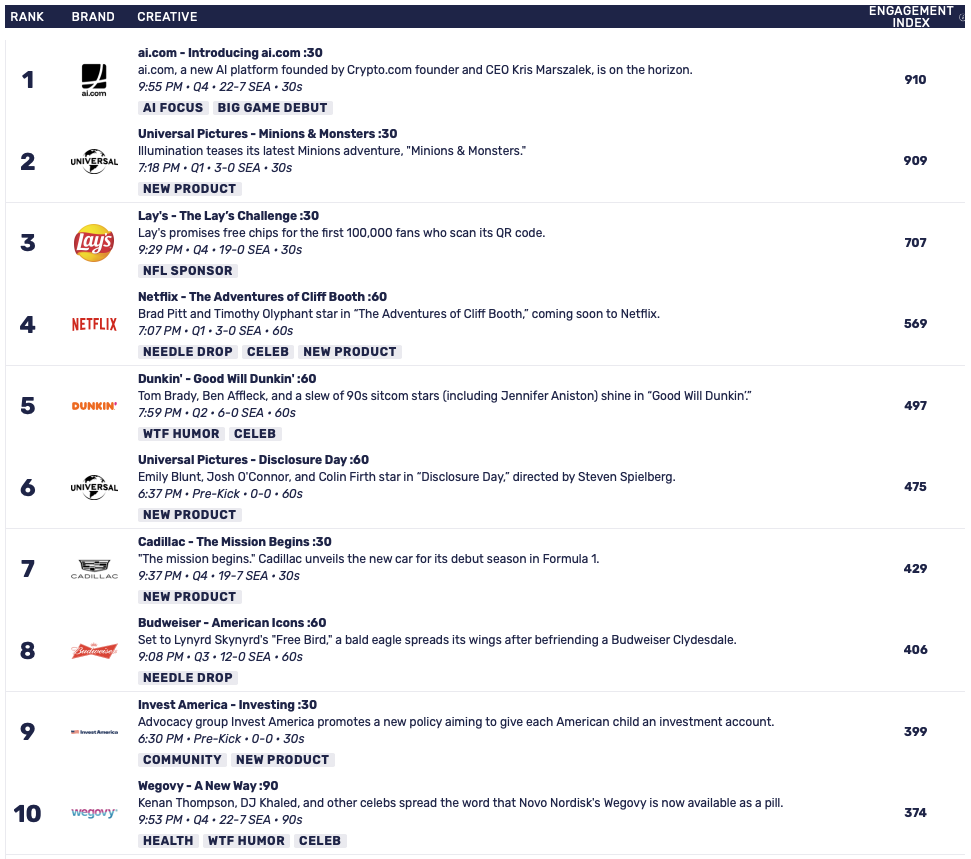
In parallel, EDO’s engagement rankings for Super Bowl LX show brands like ai.com, Universal Pictures Minions, Netflix, Lay’s and Dunkin' driving strong online search and action when their spots aired. That level of in the moment engagement is the raw material for smarter post Super Bowl CX, from retargeting engaged searchers to building lookalike audiences around those who took action during the game.
From Attention to Activation: Post Super Bowl CX Plays
Post Super Bowl success is all about orchestrated activation across customer acquisition, attribution and engagement.
1. Turn curiosity into customer acquisition
Immediately after the game, branded search volumes and direct traffic surge for featured advertisers, especially those whose ads rank highly in engagement scores. To turn this into acquisition:
- Optimize “Post Super Bowl” and brand name search terms so landing pages align with the creative customers just saw.
- Offer simple, time boxed value exchanges like free trials, discount codes or exclusive content that reward same day action.
- Make signup and checkout flows fast and mobile first, anticipating second screen behavior that started during the game.
For a brand like ai.com, this might look like “ai kits” with relevant information for viewers to go beyond registration and turn over their credit card data. For a brand like Liquid I.V., this might look like “Post Super Bowl hydration kits” with bundled products and a quick quiz that turns viewers into registered customers.
2. Link ad exposure to CX touchpoints
The rising cost of Super Bowl inventory makes attribution critical so that brand teams can defend investment and improve future experiences. While it is impossible to match every viewer to a profile, CX leaders can build better links between exposure and behavior.
- Use unique URLs, QR codes or promo codes in the Super Bowl creative that connect to specific journeys or offers.
- Coordinate with measurement partners like EDO, which tracks online engagement spikes during and after specific ads, and map these spikes to traffic and conversion patterns.
- Connect web analytics, CDP data and loyalty programs so that lift in signups or purchases among exposed segments can be compared to non exposed baselines.
When Dunkin's drives an EDO Outcome Score of 497, the brand can map that to increases in configurator visits and post game purchases at stores worldwide.
3. Design sequenced engagement journeys
Post Super Bowl engagement should feel like a natural continuation of the story viewers loved, not a hard pivot to generic sales messaging.
- Build a three step follow up sequence: story extension, value demonstration, and call to commitment.
- Use video recap content, behind the scenes footage or “extended cuts” of the ad as the first touchpoint to re engage fans.
- Follow with educational or utility driven interactions such as how tos, recipes, fit guides or financial tools that prove the brand can help in real life.
- End with a personalized offer tied to observed behavior, like upgrading a sample into a subscription or inviting a test drive.
Hellmann’s, for instance, can release snackable “Sweet Sandwich Time” recipe shorts for different diets and regions, then invite viewers to build grocery lists via retail partners. Levi’s can invite fans to share their own “backstory” fits and reward participation with early access drops or customization experiences.
Post Super Bowl CX by Category
Different verticals face different expectations once the game ends, especially when their ads rank among the most engaging.
Revenue, ROI and Satisfaction
To realize ROI, brands need aligned metrics that connect “Post Super Bowl” activation to revenue and satisfaction.
- Revenue: track incremental sales in the 4 to 8 weeks after the game against historical baselines, controlling for promotions and channel mix.
- ROI: calculate cost per acquired customer and cost per incremental unit of revenue for audiences that interacted with Super Bowl driven journeys.
- Awareness: monitor brand search volume, social mentions and share of voice among 2026 Super Bowl advertisers, not just the general category.
- Satisfaction: compare NPS, CSAT or review scores for customers acquired via Super Bowl paths vs regular channels to ensure intense campaigns are not masking poor experiences.
Adweek’s ranking of the top 10 ads emphasizes creative quality, while EDO’s engagement scores show how those ads sparked online action. CX leaders should treat both as inputs into a broader dashboard that answers one question: did our Super Bowl presence create customers who stay and advocate, or just viewers who laughed and left.
While the analysis football championship is wrapped up for another year, the post Super Bowl CX game has just started. Are you ready for score with customers?
Transform For Better
Post Super Bowl is where brands prove whether their most expensive thirty seconds can spark relationships that pay off for years. By designing thoughtful activation paths, linking ad exposure to real customer experiences and measuring what truly matters, you can transform a single event into compounding awareness, revenue and satisfaction. This year, use your Post Super Bowl strategy to transform for better and give customers a reason to stay long after the final whistle.
FAQ - Post Super Bowl
1. What does “Post Super Bowl” actually mean for brands?
Post Super Bowl refers to the days and weeks after the game when search, social chatter, replays and direct traffic remain elevated, giving brands a short but powerful window to drive signups, trials and purchases tied to their Super Bowl exposure.
2. Why is the post-game period critical for customer acquisition?
Super Bowl ads create a spike in curiosity, branded searches and site visits that is rarely matched during the rest of the year, so brands that offer clear, simple next steps can turn one-off viewers into identifiable customers they can nurture.
3. How should brands connect Super Bowl ads to specific CX touchpoints?
They should embed unique URLs, QR codes and promo codes in their spots and then route visitors into tailored landing pages, onboarding flows and offers that mirror the creative theme and make attribution back to the ad straightforward.
4. What are examples of effective post-game journeys from 2026-style ads?
A hydration brand can follow its humorous “dehydration insight” spot with a mobile quiz and bundle offer, while a condiment brand can extend a recipe-focused ad into shoppable meal ideas, grocery lists and loyalty rewards tied to featured ingredients.
5. How can brands measure ad attribution without knowing every viewer?
They combine campaign specific links and codes, engagement tracking around the airing time, web analytics, CDP data and lift analysis versus historical baselines to estimate how much traffic, conversion and revenue can be credibly assigned to the Super Bowl effort.
6. What should a Post Super Bowl engagement sequence look like?
A strong sequence usually includes a story extension touch (extended cut or behind the scenes), a value demonstration touch (how-to, recipe, fit or finance tool), and a commitment touch (trial, subscription, quote or test drive offer).
7. How do post-game strategies differ by category?
Food and beverage brands prioritize trial and repeat purchase with retail partners, CPG brands focus on education and reorders, auto brands drive configurator use and dealer visits, insurance brands steer to quotes, and streamers push frictionless signups and content sampling.
8. What KPIs matter most for Post Super Bowl ROI?
Key KPIs include incremental sales over a defined post-game period, cost per acquired customer, brand search and share-of-voice lift among Super Bowl advertisers, and NPS or CSAT differences for customers acquired via Super Bowl journeys.
9. How can smaller brands compete with big Super Bowl advertisers afterward?
They can ride the cultural wave by optimizing “Post Super Bowl” and category search terms, creating reactive social content tied to popular ads, and offering sharp, mobile-friendly journeys that capture spillover interest at a fraction of the media cost.
10. Where does Transformidy fit into Post Super Bowl planning?
Transformidy helps teams design end-to-end Post Super Bowl journeys, connect media to measurable CX outcomes, and build activation, attribution and engagement systems that translate one expensive event into sustainable awareness, revenue and customer satisfaction so brands can truly transform for better.
How Can Transformidy Help
If you are planning to learn more about Super Bowl 60 CX impacts, or to ride its cultural wave with reactive content and offers. This is the moment to architect your customer experience, not just your media plan. Transformidy is available to assist in helping you understand how your brand can leverage Super Bowl and other sporting events in maximizing your CX strategy.
Contact us or set up a 30-minute complimentary consultation for more information on our services, insights, or showcases. We look forward to hearing from you.
FAQ
How effective were Super Bowl 60's ads at brand recall?
System1's testing of Super Bowl 60 ads found 22% of viewers could not remember which brand they had just watched an ad for, a seven-year low in brand recall performance, even as ad prices for 30-second spots hit a record $10 million or more in the same broadcast.
How did most Super Bowl 60 ads score on creative quality?
System1's testing found most Super Bowl ads scored an average of 2.7 stars out of a possible 5.9-star maximum, indicating average-performing ads that, per System1's analysis, only drove modest brand-building results despite the record cost of airtime.
Does System1's research conclude Super Bowl ads are worth the cost?
Conditionally. System1's own conclusion was direct: 'Yes, Super Bowl ads are worth the cost if your brand has the creative quality to match the level of investment.' The qualifier is the important part; the same analysis found most tested ads did not clear that creative-quality bar, meaning the median advertiser's investment was not matched by median advertiser execution.
What is the practical lesson for a brand considering Super Bowl advertising?
That the record media cost of a Super Bowl spot does not itself guarantee brand recall or effectiveness; System1's data shows a meaningful share of advertisers paying record prices for ads that failed to be remembered by roughly one in five viewers. The creative execution, not just the media buy, is the variable that determines whether the investment actually builds the brand.
Related intelligence
Article
Dynamic Pricing: The Wendy's Reversal and the Maryland Ban
Wendy's said one sentence about dynamic pricing and reversed within days. Maryland then banned personalized grocery pricing outright. The lesson is not that dynamic pricing is illegal—it's that customers cannot tell the difference between a discount engine and a discrimination engine unless leadership makes that difference visible.
Article
Connected TV: The Budget Line That's Actually Moving
The IAB projects Connected TV ad spend up 13.8% in 2026 while linear TV declines 1.7%. That's not two channels drifting apart at similar speed—it's one budget line actively moving from one to the other, and most brands are still measuring CTV like it's a media placement instead of a data channel.
Article
BMO Killed a Brand That Reached Two-Thirds of Canadian Households
AIR MILES reached roughly two-thirds of Canadian households over 34 years. BMO bought it for $160 million in 2023 and retired the name three years later. Every point converted automatically. The brand did not.