
Article
STARLUX's Fastest-Growing Business Is Not Passengers
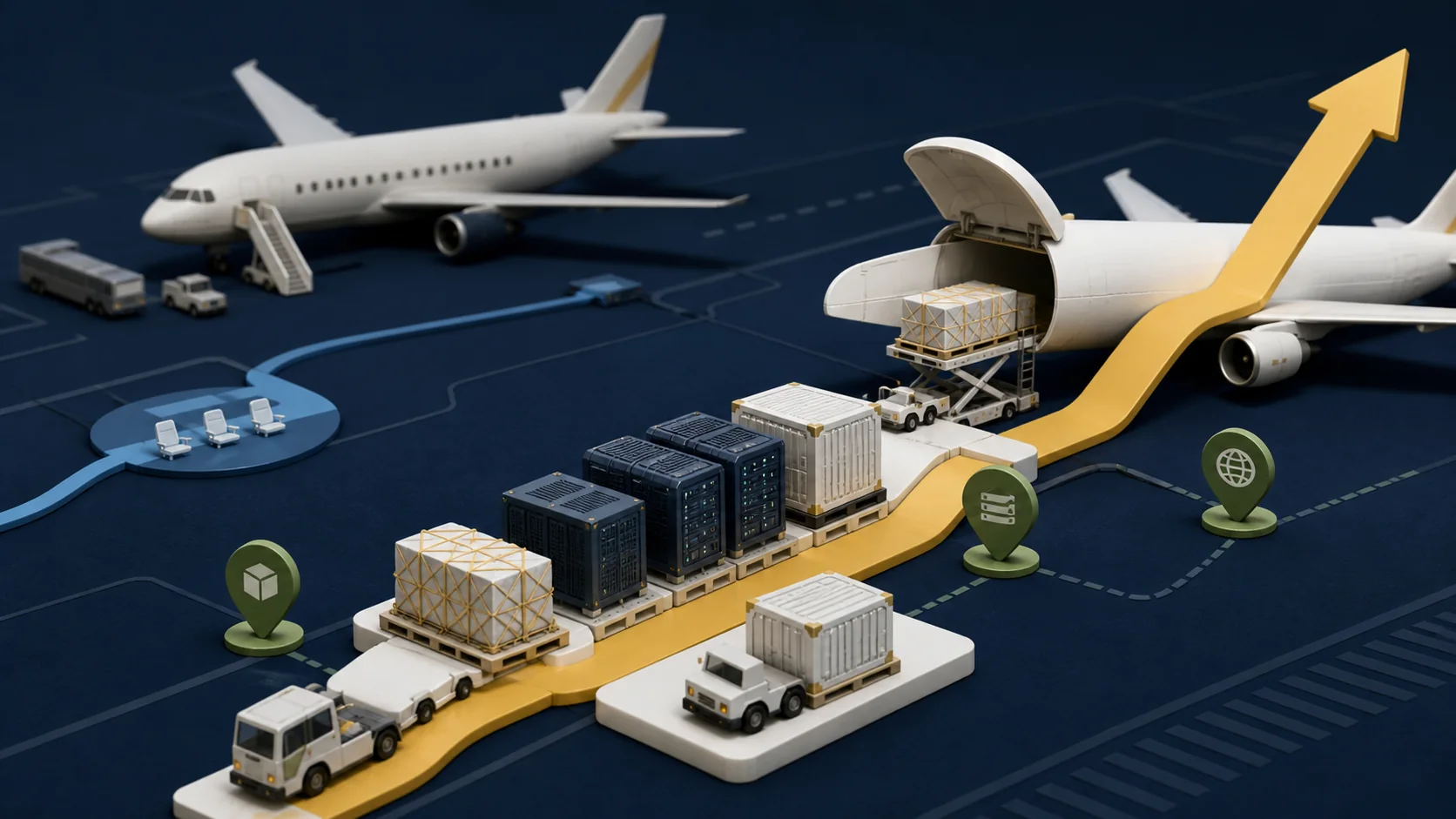
STARLUX's cargo revenue grew 44% in November 2025, driven by the global AI server shipment boom. The airline's most interesting growth signal in 2025 was not a themed passenger campaign. It was air freight for data center hardware.
- Published
- June 6, 2025
- Updated
- June 18, 2026
- Reading time
- 7 min
2026 updated analysis
What changed since the original article
This page keeps the original Transformidy article as the canonical record and leads with the current interpretation, source notes, and Revenue Unknown framing.
44% Growth, and What Is Actually in the Cargo Hold
STARLUX reported November 2025 total revenue of NT$3.525 billion, roughly $111.6 million, up 18% year over year, while cargo revenue specifically grew 44% year over year to roughly $14.5 million, with the airline attributing the growth to "traditional peak season demand for year-end holiday shipments and the continued boom in global artificial intelligence (AI) server shipments". Full-year cumulative revenue through November reached NT$39.919 billion, roughly $1.26 billion, up 25% year over year, a new record for the period.
The cargo figure deserves attention on its own terms because of what it implies about the physical logistics of AI infrastructure buildout. Data centers require enormous quantities of servers, networking equipment, and related hardware, much of it manufactured in Asia and shipped globally, often by air freight when speed matters more than cost. STARLUX naming AI server shipments explicitly as a growth driver is a direct, airline-reported data point confirming that global AI infrastructure investment is generating real, measurable air cargo demand, not just cloud computing capacity announcements.
This is a distinct kind of "AI boom" evidence from the more commonly reported kind, chip company earnings, cloud provider capital expenditure announcements, data center construction figures. An airline's cargo revenue growing specifically because of AI server shipment volume is a downstream, physical-logistics confirmation of the same underlying trend, coming from an entirely different part of the value chain.
Year-over-year cargo revenue growth, against 18% total revenue growth for the same month
Airline-attributed drivers: year-end holiday shipping and the global AI server shipment boom.
The Brand Story and the Balance Sheet Story
STARLUX's public coverage through 2025 was dominated by its passenger-facing brand initiatives, most visibly its multi-year Peanuts collaboration featuring Snoopy-themed flights, boarding passes, and in-flight amenities. That coverage is legitimate and reflects real, deliberate brand investment. It is also, based on the airline's own revenue disclosures, not where the fastest growth in the business actually happened in late 2025.
This is not a criticism of STARLUX's brand strategy; a themed passenger campaign and a cargo growth trend can both be true and both be worth pursuing simultaneously, and there is no indication the two compete for the same resources. It is, instead, an observation about which parts of a company's story get public attention versus which parts actually move the revenue numbers. A visually engaging, shareable passenger campaign generates far more media coverage than a monthly cargo revenue disclosure, even when the cargo figure represents faster underlying growth.
For any business or analyst trying to understand what is actually driving a company's performance, this is a useful discipline: check the underlying revenue breakdown, not just the most visible or most-covered initiative, before concluding what is actually driving growth. STARLUX's Snoopy flights are a genuine differentiation strategy. Its AI-server-driven cargo growth is, per the airline's own numbers, currently the faster-moving story.
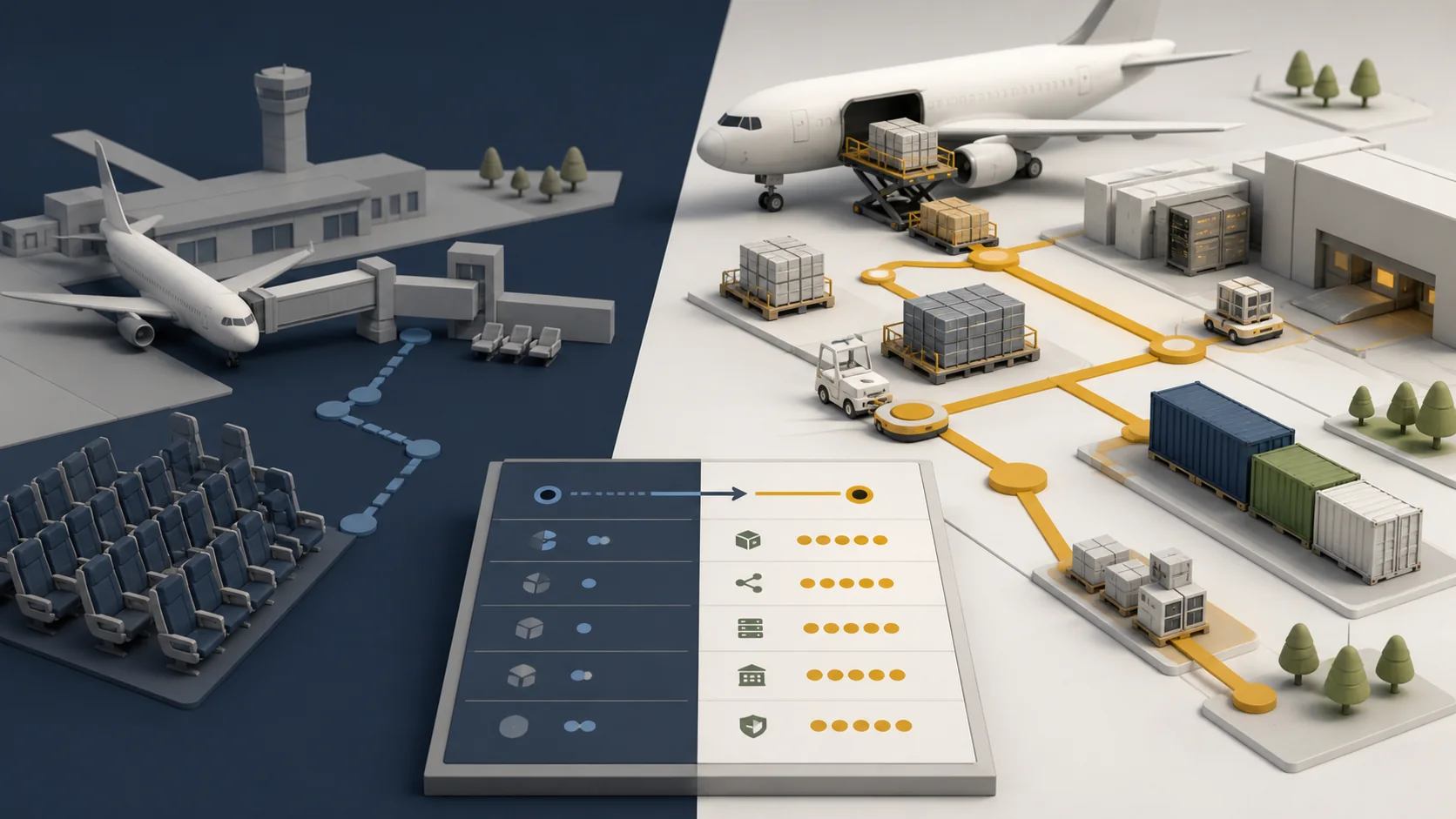
The Story That Gets Covered vs. the Line That Grows Fastest
One generates headlines. The other generates the revenue numbers behind them.
Covered story: a visually distinctive, shareable passenger brand campaign (Snoopy-themed flights) that dominates public coverage of the airline. Faster-growing line: cargo revenue, driven substantially by AI server shipments, growing at more than double the rate of total revenue, but receiving a small fraction of the public attention.
The Leadership Move
The structural choice for STARLUX's leadership, and for any airline balancing a strong passenger brand story with a separate, faster-growing cargo business, is how much operational and capital investment to direct toward each as their growth rates diverge.
- Ownership
STARLUX's cargo and network planning leadership own the decision to allocate capacity toward AI-server-driven freight demand specifically, a distinct strategic choice from the passenger brand investment decisions driving the Peanuts collaboration, requiring separate resourcing and route planning discipline.
- Tradeoff
Investing further in cargo capacity to capture AI-infrastructure-driven demand could mean tradeoffs against passenger route expansion or fleet allocation decisions, given finite aircraft and route resources. The tradeoff against under-investing in cargo is ceding a currently faster-growing revenue line to competitors better positioned for AI-related freight volume.
- Human consequence
STARLUX's cargo operations teams are managing a demand surge that receives comparatively little public recognition relative to the airline's passenger-facing brand teams, despite currently driving faster underlying revenue growth for the company.
Next Move
If you are evaluating STARLUX or a similar airline as a business, not just a brand: Check the cargo and passenger revenue breakdown specifically, rather than relying on the more heavily covered brand-facing narrative to understand where growth is actually concentrated.
If your business touches the AI infrastructure supply chain in any capacity: Treat air cargo capacity and logistics partnerships as a potentially underweighted strategic consideration, given the direct, airline-confirmed link between AI infrastructure buildout and air freight demand growth.
FAQ
How fast is STARLUX's cargo business growing compared to its overall revenue?
In November 2025, STARLUX's cargo revenue grew 44% year over year to roughly $14.5 million, well outpacing the airline's overall total revenue growth of 18% for the same month. Full-year cumulative revenue through November 2025 reached a record NT$39.919 billion (roughly $1.26 billion), up 25% year over year.
What is driving STARLUX's cargo growth specifically?
The airline attributed the growth to "traditional peak season demand for year-end holiday shipments and the continued boom in global artificial intelligence (AI) server shipments," meaning a meaningful share of the cargo growth traces back to physical AI infrastructure, servers and related components, being shipped by air rather than to passenger travel or tourism demand.
Is this pattern specific to STARLUX or part of a broader trend?
The specific 44% cargo growth figure and its AI-server attribution are specific to STARLUX's reported results. However, the underlying dynamic, global AI infrastructure buildout generating air freight demand for servers and components, is a structural trend likely affecting cargo carriers broadly, not unique to a single airline.
Why does this matter for how STARLUX's growth story gets told?
Coverage of STARLUX has historically focused heavily on passenger-facing brand initiatives, like its Peanuts-themed flights. The cargo data suggests a meaningful share of the airline's actual revenue growth in late 2025 came from a structurally different source, physical AI infrastructure logistics, that receives far less public attention than the passenger-facing brand story.
Sources & References
Original article archive
Original article published June 6, 2025: "STARLUX Airlines x Peanuts Collaboration Redux 2025". Preserved here for provenance, historical context, and citation continuity.
The partnership between STARLUX Airlines and the Peanuts franchise, honored with the October 2024 Transformidy Great Experience Award, exemplifies how strategic collaborations can redefine customer experience in the aviation sector. With the recent extension of this partnership, both brands are poised to deepen their influence, not just on their core audiences but across the broader travel and entertainment landscapes. This insight explores how the collaboration creates value for both STARLUX and Peanuts, its measurable impact on customer experience, potential future directions, and how it positions STARLUX within a competitive field of themed airline experiences.
Key Takeaways
Strategic Blueprint: The STARLUX Airlines and Peanuts partnership serves as a model for how airlines can harness beloved entertainment franchises to transform the passenger journey into a unique, memorable experience that drives loyalty and revenue.The STARLUX Airlines x Peanuts Collaboration: An Immersive Brand Experience
Innovative Customer Experience: STARLUX Airlines’ partnership with Peanuts creates a deeply immersive and emotionally engaging travel journey that leverages nostalgia, storytelling, and technology.
Business Growth: The collaboration has driven a notable 15% increase in bookings and boosted ancillary revenues through themed merchandise, demonstrating the commercial viability of experiential branding.
Brand Synergy: Both STARLUX Airlines and Peanuts benefit mutually—STARLUX enhances its premium brand positioning, while Peanuts expands its cultural footprint and relevance in key markets.
Technological Integration: The use of augmented reality and interactive digital platforms elevates the passenger experience beyond traditional themed flights, setting STARLUX apart in the competitive airline landscape.
Competitive Differentiation: Compared to other airlines’ branded collaborations, STARLUX’s holistic approach—spanning physical spaces, digital engagement, and destination experiences—raises the bar for themed aviation experiences.
Future Growth Potential: The partnership’s extension opens avenues for seasonal themes, localized collaborations, gamification, and immersive VR/AR experiences, ensuring ongoing innovation and customer engagement.
Industry Influence: STARLUX Airlines’ success with Peanuts inspires the airline industry to rethink customer experience strategies, emphasizing emotional connection and multi-dimensional brand storytelling.
Cultural Connection: The collaboration bridges global cultures by leveraging Peanuts’ universal appeal, fostering a sense of community among diverse travelers.
Expanded Passenger Engagement: Beyond flights, partnerships with venues like the Museum of Snoopy enrich the travel experience, creating memorable touchpoints that extend brand engagement.
Introduction - The STARLUX Airlines x Peanuts Collaboration
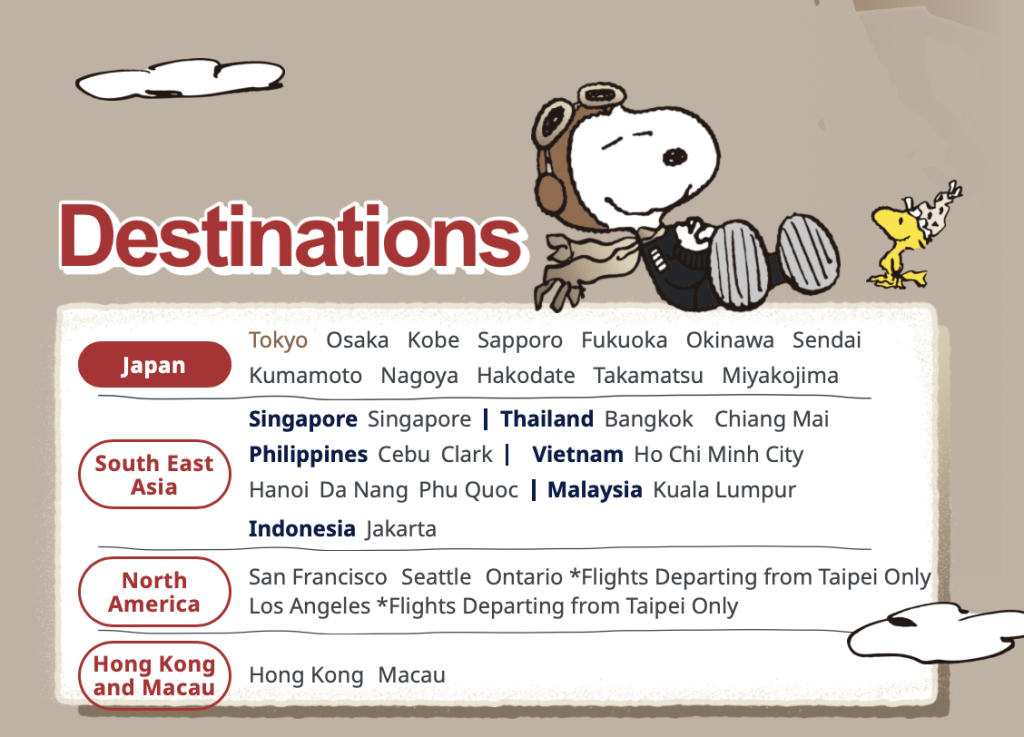
Since June 2024, STARLUX Airlines has transformed its passenger journey by infusing every touchpoint with the charm and nostalgia of the Peanuts universe. The partnership goes far beyond superficial branding: from Peanuts-themed airport terminals and digital interfaces to immersive in-flight experiences, every aspect has been meticulously designed to engage travelers emotionally and sensorially. After the very successful launch, the partnership is back for 2025 with unique content with the iconic characters travelling into space. 28 destinations in all will feature Peanuts content starting May 28, 2025 to December 31, 2025 on flights to/from Taipei (TPE).
Terminal and Digital Transformation:
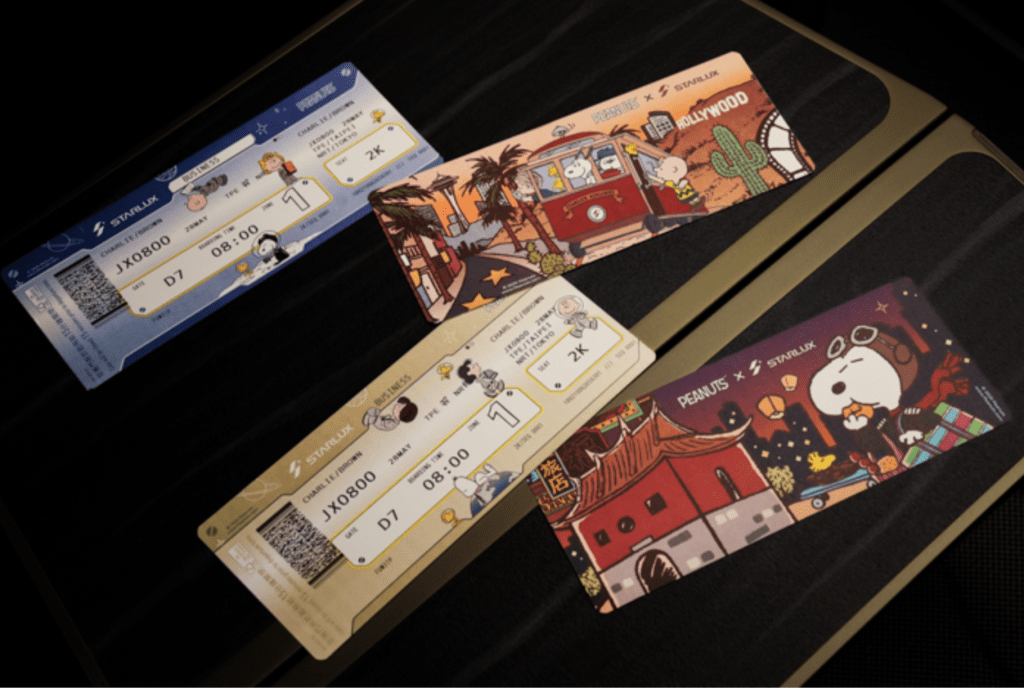
At Taipei’s airport, passengers are greeted by life-sized Peanuts character displays, themed check-in counters, and boarding gates that set the stage for a whimsical journey. The digital experience is equally immersive, with Snoopy and friends guiding users through booking and check-in processes on the STARLUX website and app, complemented by interactive games and Peanuts trivia. Additionally, select destinations will receive unique boarding passes while supplies last.
In-Flight Magic:
Onboard, the Peanuts theme permeates the cabin environment. Customized seat covers, overhead bins, and ambient lighting evoke the world of Charlie Brown and Snoopy. The in-flight entertainment system offers exclusive Peanuts content, while themed amenities—ranging from boarding passes and meal packaging to collectible toys and meals/desserts—create memorable moments for passengers of all ages.
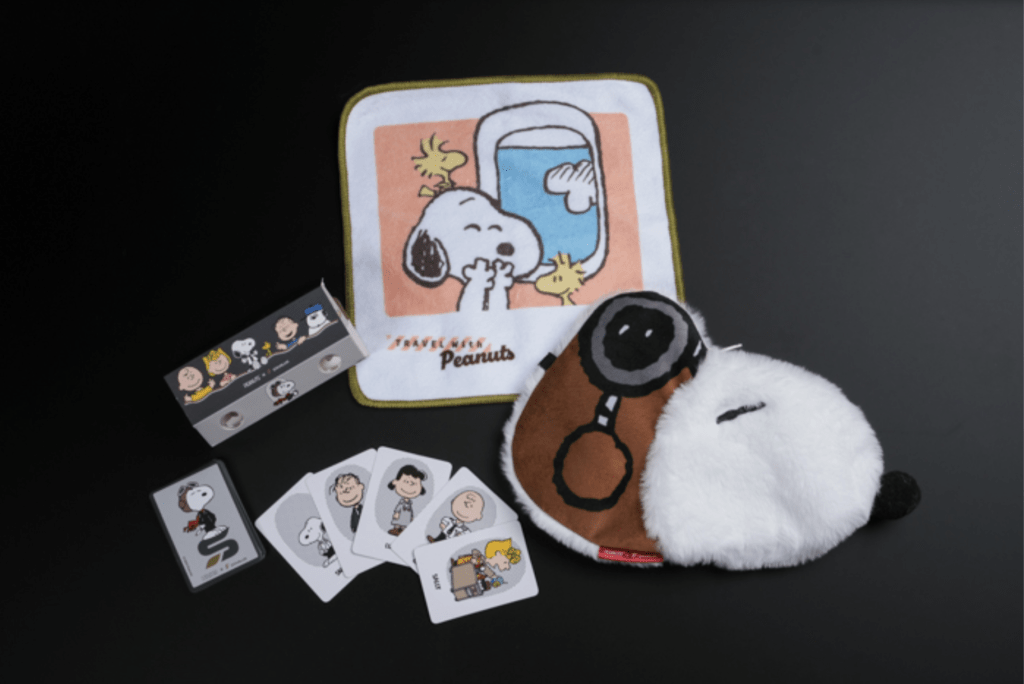
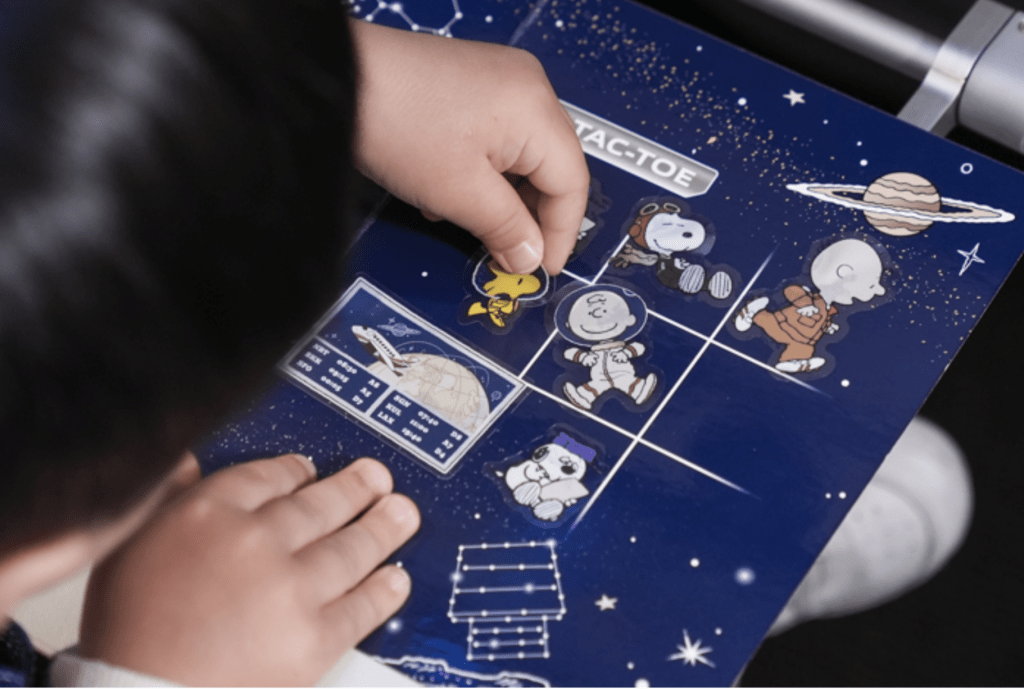
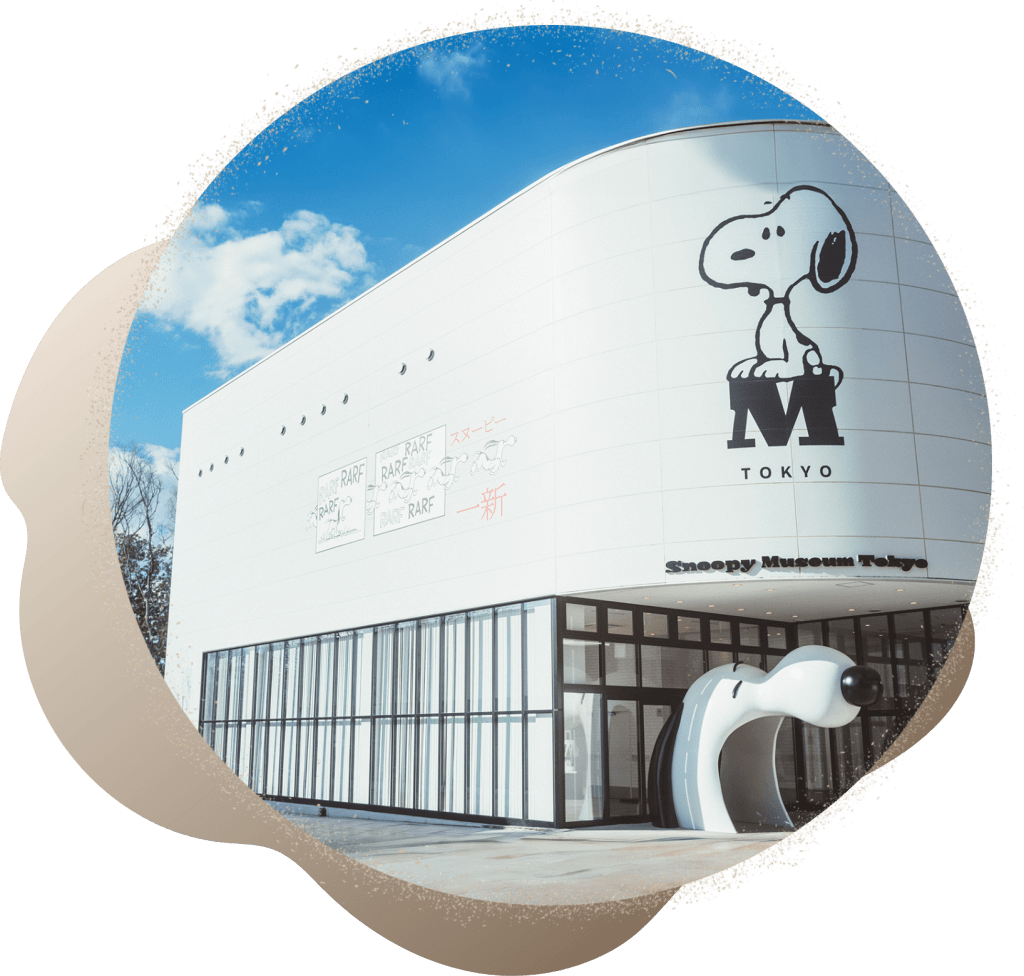
The collaboration even extends to partnerships with the Museum of Snoopy in Tokyo, offering passengers with valid boarding or mobile passes complimentary access to the museum from May 28-December 31, 2025.
Business Impact: Boosting Bookings, Revenue, and Brand Equity
The collaboration has produced tangible business results for STARLUX. Following the launch of the Peanuts-themed flights, the airline reported a 15% increase in bookings, a testament to the drawing power of the Peanuts brand and the appeal of experiential travel. Limited-edition Peanuts merchandise, available through duty-free sales, has become highly sought after, generating additional revenue streams and driving ancillary sales.
For Peanuts, the partnership extends the brand’s reach into new geographies and demographics. By aligning with a premium, fast-growing airline, the iconic cartoon brand remains culturally relevant and visible, especially in Asia and North America—markets where STARLUX is expanding aggressively. The collaboration also reinforces Peanuts’ positioning as a multigenerational, cross-cultural icon, appealing to both nostalgic adults and younger fans.
Customer Experience: Innovation and Emotional Engagement
STARLUX’s approach to the Peanuts collaboration demonstrates a sophisticated understanding of modern customer experience (CX) strategy. The airline leverages nostalgia, storytelling, and technology to create a journey that is not merely functional but emotionally resonant.
Augmented Reality and Digital Engagement:
Passengers can use augmented reality (AR) features to interact with the cartoon characters throughout their journey, blending nostalgia with cutting-edge technology. This innovation has driven unprecedented customer satisfaction scores and social media engagement, amplifying the campaign’s reach and impact.
Personalization and Inclusivity:
Themed amenities and experiences are tailored for different cabin classes and age groups, ensuring that every passenger—whether a business traveler or a family with children—finds delight in the journey. This inclusivity broadens the appeal of the collaboration and enhances customer loyalty.
Cultural Significance:
By integrating Peanuts, a franchise beloved across continents, STARLUX bridges cultural gaps and fosters a sense of global community among travelers. The partnership’s success highlights the universal language of joy, nostalgia, and storytelling in building emotional connections with customers.
Competitive Landscape: Themed Flights as Differentiators
STARLUX’s Peanuts collaboration is part of a broader trend of airlines partnering with iconic entertainment brands to create differentiated experiences. Notable examples include:
- EVA Airways x Hello Kitty: Perhaps the first fully integrative experience, EVA Airways’ Hello Kitty jets, launched in 2005, feature themed livery, check-in counters, in-flight meals, and merchandise. The initiative has been credited with boosting passenger numbers on targeted routes and generating significant media coverage.
- ANA x Star Wars: All Nippon Airways (ANA) operates Star Wars-themed aircraft, complete with droid-inspired liveries and in-flight experiences, appealing to fans worldwide.
- China Eastern x Disney: China Eastern Airlines has operated Disney-themed flights, leveraging the popularity of Shanghai Disneyland.
- Japan Airlines x Nintendo: JAL has introduced Nintendo-themed amenities and entertainment, particularly on routes popular with families.
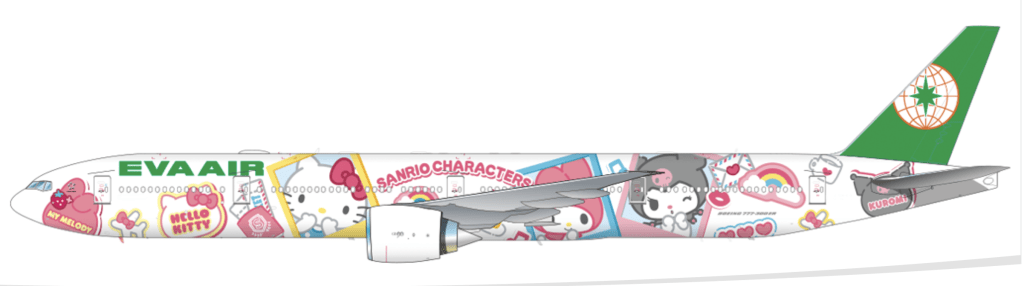
Compared to these, STARLUX’s Peanuts partnership stands out for its holistic integration across physical and digital touchpoints, its use of AR, and its strong tie-ins with destination experiences (such as the Museum of Snoopy). The collaboration’s measurable impact on bookings and brand engagement sets a new benchmark for the industry.
Future Opportunities: Expanding the Peanuts Universe and Beyond
The extension of the STARLUX x Peanuts partnership opens the door to several future innovations:
Seasonal and Rotating Themes:
STARLUX could introduce rotating seasonal themes, partnering with other cartoon or pop culture franchises to keep the experience fresh and encourage repeat bookings. This approach would allow the airline to tap into different fan communities throughout the year.
Local and Regional Collaborations:
To celebrate the diversity of its destinations, STARLUX might collaborate with local cartoon or anime franchises, offering exclusive experiences on specific routes. This would deepen cultural engagement and drive interest among regional travelers.
Interactive and Gamified Experiences:
Future collaborations could incorporate more interactive elements, such as choose-your-own-adventure in-flight entertainment or gamified loyalty programs featuring unique Peanuts characters. These initiatives would enhance engagement and foster deeper brand loyalty.
Virtual and Augmented Reality Expansion:
As VR and AR technologies become more accessible, STARLUX could offer fully immersive virtual experiences, allowing passengers to “visit” animated worlds during their flight. This would further differentiate the airline’s offering and appeal to tech-savvy travelers.
Educational and Sustainability Initiatives:
Collaborations with educational cartoon franchises could transform flights into learning experiences, particularly for families. Additionally, partnering with environmentally-conscious characters could help STARLUX promote its sustainability initiatives in an engaging and accessible way.
Transform For The Better
The STARLUX x Peanuts collaboration is more than a marketing campaign; it is a strategic blueprint for how airlines can leverage beloved cultural icons to create immersive, differentiated, and emotionally resonant travel experiences. By seamlessly integrating Peanuts across every stage of the journey, STARLUX has elevated the standard for customer experience in aviation, achieving measurable business results and setting itself apart in a crowded market.
The partnership’s extension signals a continued commitment to innovation and customer delight. As STARLUX and Peanuts explore new creative frontiers—whether through technology, destination tie-ins, or expanded merchandise—the collaboration will likely inspire other airlines and brands to reimagine what is possible in experiential travel.
For both STARLUX and Peanuts, the sky is not the limit—it is just the beginning
FAQ: STARLUX Airlines and Peanuts Collaboration
1. What is the STARLUX and Peanuts collaboration about?
The collaboration is a strategic partnership that integrates the brands into a integrative customer experience, including themed airport terminals, in-flight amenities, digital engagement, and exclusive merchandise, creating a unique and immersive travel journey.
2. When did the collaboration begin and when was it extended?
The partnership launched in mid-2024 and was honored with the October 2024 Transformidy Great Experience Award. Following its success, the collaboration was officially extended with round 2 in 2025.
3. How does the Peanuts theme enhance the passenger experience?
Passengers enjoy a multi-sensory journey featuring themed decor, interactive digital content, augmented reality experiences, exclusive in-flight entertainment, and collectible merchandise, all designed to evoke nostalgia and emotional engagement.
4. What measurable impact has the collaboration had on STARLUX Airlines?
Since the launch, STARLUX reported a 15% increase in bookings and significant growth in ancillary revenue from the themed merchandise and duty-free sales, alongside improved customer satisfaction and brand loyalty.
5. How does the partnership benefit the STARLUX Airlines brand?
The collaboration expands STARLUX Airlines brand's global reach, particularly in Asia and North America, strengthens its cultural relevance, and introduces the franchise to new audiences through immersive travel experiences.
6. Are there any technological innovations involved in this collaboration?
Yes, STARLUX Airlines incorporates augmented reality (AR) features and interactive digital platforms that allow passengers to engage with Peanuts characters before and during flights, enhancing the overall experience.
7. How does this collaboration compare to other airlines’ themed partnerships?
While other airlines like EVA Air (Hello Kitty) and ANA (Star Wars) have themed flights, STARLUX’s partnership stands out for its comprehensive integration across physical, digital, and destination experiences, along with measurable business impact.
8. Can passengers access Peanuts-themed experiences outside of flights?
Yes, the collaboration includes partnerships with venues such as the Museum of Snoopy in Tokyo. With valid boarding or mobile passes, passengers receive complimentary access to Peanuts exhibits, extending the experience beyond the flight from May 28 to December 31, 2025.
9. What future possibilities exist for the STARLUX Airlines and Peanuts partnership?
Future opportunities include seasonal themes, interactive gamification, expanded AR/VR experiences, local cultural collaborations, and educational or sustainability-focused initiatives involving Peanuts characters.
10. How does this collaboration influence the broader airline industry?
The STARLUX Airlines x Peanuts partnership sets a new standard for experiential branding in aviation, encouraging other airlines to innovate customer experience through immersive storytelling and strategic entertainment partnerships.
How Can We Help?
Transformidy is available to assist in helping you understand assess how your company’s experience strategy is effective in generating engagement, satisfaction, and business growth.
Contact us or set up a 30-minute complimentary consultation for more information on our services, insights, or showcases. We look forward to hearing from you.
FAQ
How fast is STARLUX's cargo business growing compared to its overall revenue?
In November 2025, STARLUX's cargo revenue grew 44% year over year to roughly $14.5 million, well outpacing the airline's overall total revenue growth of 18% for the same month. Full-year cumulative revenue through November 2025 reached a record NT$39.919 billion (roughly $1.26 billion), up 25% year over year.
What is driving STARLUX's cargo growth specifically?
The airline attributed the growth to 'traditional peak season demand for year-end holiday shipments and the continued boom in global artificial intelligence (AI) server shipments,' meaning a meaningful share of the cargo growth traces back to physical AI infrastructure, servers and related components, being shipped by air rather than to passenger travel or tourism demand.
Is this pattern specific to STARLUX or part of a broader trend?
The specific 44% cargo growth figure and its AI-server attribution are specific to STARLUX's reported results. However, the underlying dynamic, global AI infrastructure buildout generating air freight demand for servers and components, is a structural trend likely affecting cargo carriers broadly, not unique to a single airline.
Why does this matter for how STARLUX's growth story gets told?
Coverage of STARLUX has historically focused heavily on passenger-facing brand initiatives, like its Peanuts-themed flights. The cargo data suggests a meaningful share of the airline's actual revenue growth in late 2025 came from a structurally different source, physical AI infrastructure logistics, that receives far less public attention than the passenger-facing brand story.
Related intelligence
Article
One Fountain Stunt Became a 24-Race Season-Long Program
Disney's Fuel the Magic campaign with F1 started as one Mickey Mouse appearance at the Fountains of Bellagio. A year later it is a season-long program across all 24 races, WEBTOON comics, and multiple retail lines. That expansion rate is the actual story, not the fountain stunt.
Article
AI in Hospitality: Personalization and Guest Experience Risk
Hotels deployed AI for personalization and staff augmentation. But automation that removes human touch from high-stakes moments (room issues, service recovery) creates guest frustration. Successful properties used AI to enable staff, not replace judgment.
Article
Loyalty Programs as Business Model: Strategy Over Retention Tactics
Loyalty programs matured from retention tactics to business model drivers. Industry data shows 90% of programs report positive ROI, but the returns are concentrated among members who actually redeem and engage—not the full enrolled base.