
Article
LEGO Has The IP. The Revenue Unknown Is Whether The Moment Is Connected.
LEGO's Marvel, F1 and LEGO House examples show why licensed products need moment activation, not only availability.
- Published
- September 13, 2026
- Updated
- September 13, 2026
- Reading time
- 8 min

Article Body
LEGO is one of the strongest experience brands in the world.
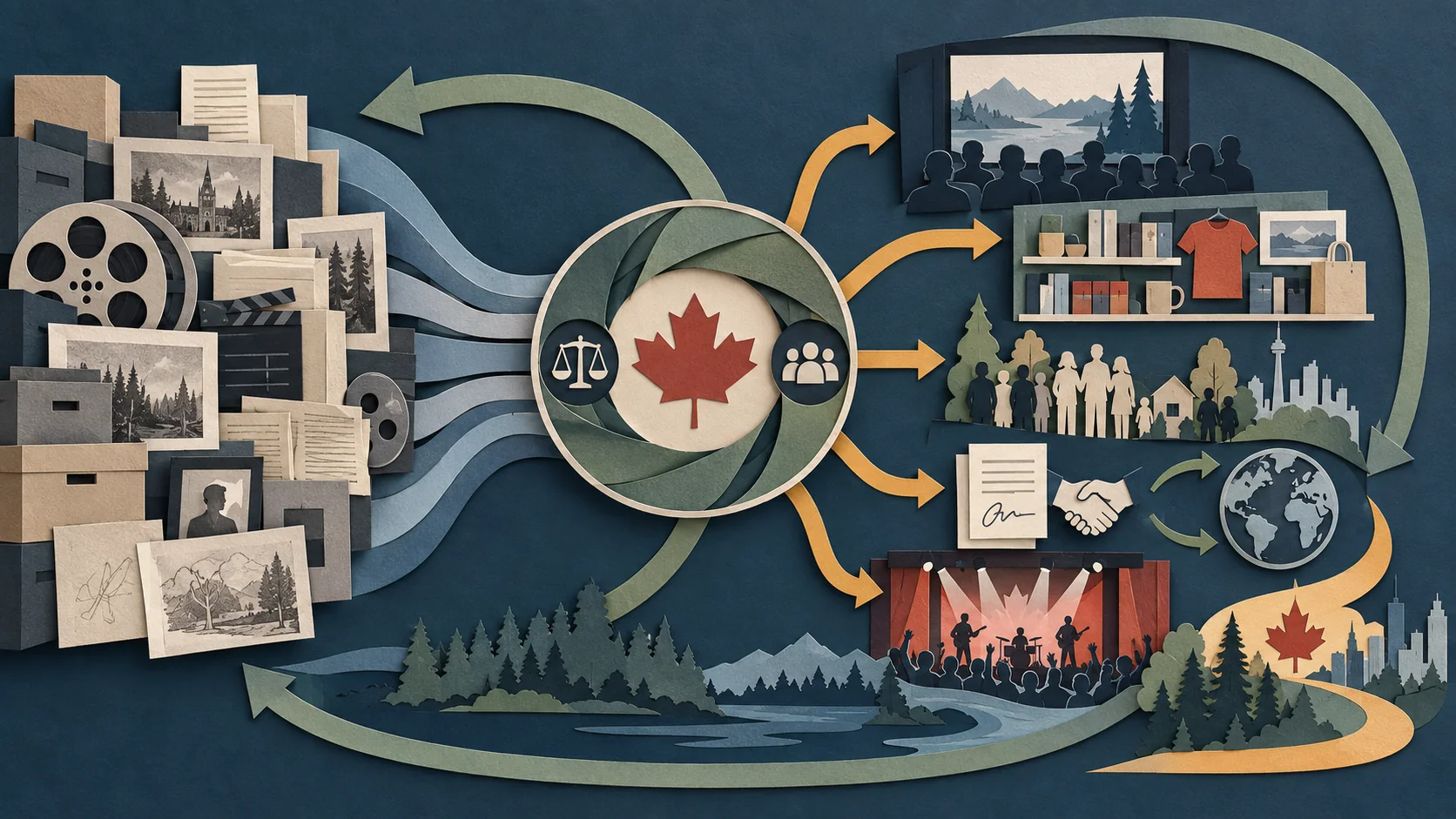
That makes its Revenue Unknown more interesting, not less.
The company can have the right IP, the right set, the right fan base and the right product quality, and still leave value on the table if the product is not connected to the moment when attention peaks.
The issue is not whether LEGO knows how to make desirable sets. It does. The issue is whether LEGO, studios, sports partners, retailers, cinemas, broadcasters and destination teams connect the product to the live experience that creates demand.
The Revenue Unknown is:
How much LEGO, studio, retailer, sports and destination value disappears because licensed products are available, but not activated at the moment when the audience is already paying attention?
This matters now because LEGO has multiple current and upcoming licensed-product opportunities. LEGO's official Marvel pages show Spider-Man: Brand New Day products including Spider-Man Hero Figure (76346), Spider-Man Prison Transport Chase (76349), and Spider-Man vs. Hulk Epic Clash (76350). LEGO's Avengers range also shows Avengers: Doomsday Quinjet (76347), Avengers: Doomsday New Avengers Tower (76352), and Avengers: Doomsday Heroes & Villain (40880), with key sets scheduled for October 4, 2026.
Those are not only toy releases. They are attention objects.
If the movie-theatre audience, bookstore shopper, electronics-store customer, Marvel fan, LEGO collector and parent buying a birthday gift never see the connection, the product may still sell. But the partnership may not be maximized.
Product Availability Is Not Moment Activation
Availability means the set exists.
Moment activation means the set is visible, useful and easy to act on when the fan is already in the relevant context.
That difference is the article.
A Spider-Man set can sit on LEGO.com, in a LEGO Store, in a retailer's toy aisle or in a search result. But the fan's strongest intent may happen somewhere else: after watching a trailer, standing in a cinema lobby, leaving a theatre, browsing a movie-tie-in display, walking into Indigo near a cinema, passing a Best Buy close to a theatre, reading a release-date calendar, or seeing a cast interview.
If those moments do not route to the set, demand has to find its own way.
Some customers will. The strongest fans and collectors will search. Parents may eventually discover the set. LEGO Insiders may know. But the Revenue Unknown sits with the people who would have acted if the experience had connected the dots for them.
The missed value is not only the sale. It is the basket, the gift, the follow-up set, the store visit, the account sign-up, the retailer display, the movie memory, and the next franchise relationship.
The Spider-Man Example
The Spider-Man: Brand New Day products are especially useful because LEGO's own product language connects the sets to the movie.
Spider-Man Hero Figure (76346) is an 813-piece, 12+ build that LEGO describes as capturing the hero as portrayed in Spider-Man: Brand New Day. Spider-Man Prison Transport Chase (76349) is a 367-piece, 8+ set inspired by the movie, with Spider-Man, Tombstone, Tarantula and a DODC Guard. Spider-Man vs. Hulk Epic Clash (76350) is listed in LEGO's 2026 Marvel materials and building-instruction records as a 534-piece set.
That is enough to create a clear activation architecture.
Theatre trailer -> lobby poster -> QR path -> retailer availability -> LEGO Store build event -> post-screening reminder -> family gift guide -> Insiders follow-up -> related set sequence.
The stronger question is not whether LEGO, Sony or retail partners promoted the set somewhere. The question is whether the promotion appeared where the relevant attention was concentrated.
Movie theatres are not just advertising surfaces. They are live intent environments. A fan who just saw a character, scene or trailer is in a different decision state than a shopper scrolling a generic product grid.
If the set is absent from that environment, the experience creates a dead end.
The Nearby Retailer Matters
The same logic applies to retailers near the moment of attention.
An Indigo or Best Buy close to a cinema does not need to become a movie studio. But if the store carries LEGO, entertainment, books, games, collectibles or giftable products, it can become part of the release journey. The missed opportunity is not simply endcap placement. It is the failure to recognize why the customer is nearby and what they may be ready to do next.
A family leaving a Spider-Man screening may be more receptive to a birthday gift, a collector build, a related book, a game, a preorder or a holiday list than that same family would be on an ordinary shopping trip. A theatre-adjacent retailer can either behave like any other store or treat the movie window as a context signal.
That is the Retail Mashup opportunity: connect place, timing, entertainment attention and product availability before the moment cools.
The Avengers Window
The Avengers: Doomsday sets create the next test.
LEGO's official shop lists Avengers: Doomsday Quinjet (76347) as a 433-piece set with Cyclops, Doctor Doom, The Thing and Captain America, available for pre-order and shipping from October 4, 2026. Avengers: Doomsday New Avengers Tower (76352) is a 954-piece, 12+ build with Doctor Doom, Yelena, Red Guardian, Bucky Barnes, Human Torch and Sentry, also shipping from October 4. Avengers: Doomsday Heroes & Villain (40880) is a 467-piece BrickHeadz-style set coming October 4.
October should not be treated only as a product-release month.
It is a coordination window.
Studios, retailers, cinemas, LEGO Stores, ecommerce, loyalty programs, gift guides, collector communities and social channels can either behave as separate surfaces or as one experience system.
If they behave separately, the set launch still has value. If they behave as a system, the audience can move from anticipation to product discovery to purchase to build to social display to the next franchise signal.
That is Retail Mashup.
The product is not only sold in retail. The product depends on entertainment, media, location, fandom, timing and memory.
F1 Shows The Broadcast Gap
The F1 helmet example exposes the same problem through sport.
LEGO and McLaren announced two co-created LEGO Editions helmets on June 3, 2026, celebrating McLaren's 1,000th race in Monaco. The sets were tied to real driver helmets worn by Lando Norris and Oscar Piastri at the Monaco GP. LEGO's release identifies Oscar Piastri Helmet (43017) and Lando Norris Helmet (43023) as 793-piece sets priced at $89.99, available on LEGO.com and in LEGO Stores worldwide.
That is a strong product-story connection.
But the Revenue Unknown is whether the race-viewing audience sees the build path at the right moment.
F1 fans watch through broadcasters, team channels, race highlights, social clips, driver content, merchandise stores and race-week coverage. A helmet that appears on track creates attention. A LEGO build that translates that helmet into an at-home object creates a product path. If the broadcast or channel environment does not connect those two states, the fan has to do the integration alone.
That is the same missed activation problem.
For sports, timing matters. A fan may care most during qualifying, a podium, a driver interview, a crash replay, a special livery weekend, a team anniversary or a championship fight. Product messaging that arrives weeks later may still convert collectors, but it misses the broader live attention window.
LEGO House Is The Destination Gap
LEGO House in Billund is the most important example because it is not another licensed set.
It is LEGO's physical brand world.
LEGO House describes itself as the ultimate LEGO experience and the Home of the Brick, with Experience Zones, a LEGO Store, exclusive products, eateries and personalized memories. Its site says the House contains 25 million LEGO bricks and hands-on Learning Through Play experiences. The 2026 exclusive set, I Love Billund (40507), has 1,404 pieces, costs 749 DKK, and is available at the LEGO House Retail Store in Billund from March 1, 2026, with limited-time availability at LEGOLAND Billund.
That should matter inside LEGO Stores globally.
A customer who loves LEGO enough to visit a flagship store, buy an adult collector set, ask about exclusives or join LEGO Insiders may also be a plausible LEGO House traveller. Yet the store experience often focuses on the box in front of the customer rather than the destination behind the brand.
The Experience The Skies angle is direct:
LEGO House is destination travel.
Billund is not only where LEGO happens to be located. It is the origin story, brand museum, family trip, fan pilgrimage, retail store, exclusive-product channel and memory system. LEGO House's own materials note Billund Airport proximity and routes in its editor notes for the 2026 exclusive set.
If LEGO Stores do not speak about LEGO House, a global retail channel may be underusing the brand's strongest physical experience.
What Netflix And TIFF Already Teach
This connects directly to the Netflix House and TIFF pieces.
Netflix House turns entertainment IP into place, food, retail, fan experience and refreshed participation. The strategic point is not that every IP needs a permanent venue. It is that viewing can become a physical relationship when the next experience is designed.
TIFF Part 1 argued that festival attention needs somewhere to go. TIFF Part 2 sharpened that with Always Lalisa: when a fan audience is physically concentrated and emotionally primed, the event should provide respectful continuation paths for release reminders, merchandise, music, sponsor usefulness and future engagement.
LEGO sits at the intersection of both ideas.
It has IP that people watch. It has products people build. It has stores people visit. It has destinations people can travel to. It has loyalty infrastructure. It has retail partners. It has entertainment partners. The opportunity is to connect those assets so the customer can move from one state to the next without reconstructing the relationship alone.
The Partnership Activation Map
Transformidy would read the LEGO opportunity through a simple activation loop:
attention -> recognition -> product path -> retail availability -> purchase -> build -> display -> next experience -> learning
Each partner owns a different part.
The studio owns film attention. The race team owns live sports context. The retailer owns shelf and local availability. LEGO owns product, store, community, Insiders and destination. The customer owns permission and interest. If no one designs the handoff, the value leaks between organizations that all believe they participated successfully.
That is why the better metric is not whether the set sold.
The better metric is what demand could have been activated if the product had been connected to the moment of attention. Track theatre-to-retail scans, retailer display conversion, LEGO Store event lift, Insiders acquisition, product-page visits by campaign source, post-movie search spikes, race-week helmet-set conversion, LEGO House travel interest from store visitors, and repeat purchases after a licensed build.
Sellout is not the same as maximization.
Official Set References
Use official product pages and set numbers as the controlled visual spine before any product-image rights pass:
- LEGO Marvel Spider-Man Hero Figure, set 76346, 813 pieces.
- LEGO Marvel Spider-Man Prison Transport Chase, set 76349, 367 pieces.
- LEGO Marvel Spider-Man vs. Hulk Epic Clash, set 76350, 534 pieces.
- LEGO Marvel Avengers: Doomsday Quinjet, set 76347, 433 pieces, shipping from October 4, 2026.
- LEGO Marvel Avengers: Doomsday New Avengers Tower, set 76352, 954 pieces, shipping from October 4, 2026.
- LEGO Marvel Avengers: Doomsday Heroes & Villain, set 40880, 467 pieces, coming October 4, 2026.
- LEGO Editions McLaren Mastercard F1 Team Oscar Piastri Helmet, set 43017, 793 pieces.
- LEGO Editions McLaren Mastercard F1 Team Lando Norris Helmet, set 43023, 793 pieces.
- LEGO House Architecture, set 21037, 774 pieces.
- LEGO House Exclusive 2026 I Love Billund, set 40507, 1,404 pieces.
Sources
- LEGO, "Spider-Man Hero Figure 76346," https://www.lego.com/en-us/product/spider-man-hero-figure-76346
- LEGO, "Spider-Man Prison Transport Chase 76349," https://www.lego.com/en-us/product/spider-man-prison-transport-chase-76349
- LEGO, "Spider-Man vs. Hulk Epic Clash 76350," https://www.lego.com/en-us/service/building-instructions/76350
- LEGO, "Avengers: Doomsday Quinjet 76347," https://www.lego.com/en-us/product/avengers-doomsday-quinjet-76347
- LEGO, "Avengers: Doomsday New Avengers Tower 76352," https://www.lego.com/en-us/product/avengers-doomsday-new-avengers-tower-76352
- LEGO, "Avengers: Doomsday Heroes & Villain 40880," https://www.lego.com/en-us/product/avengers-doomsday-heroes-villain-40880
- LEGO, "The LEGO Group & McLaren Mastercard Formula 1 Team celebrate the team's 1000th race," June 3, 2026, https://www.lego.com/en-us/aboutus/news/2026/june/lego-mclaren-1000th-grand-prix-helmets-monaco
- LEGO, "McLaren Mastercard F1 Team Oscar Piastri Helmet 43017," https://www.lego.com/en-us/product/editions-v-43017-43017
- LEGO House, "LEGO House - The ultimate LEGO experience," https://legohouse.com/en-gb
- LEGO House, "2026 LEGO House Exclusive Set," https://legohouse.com/en-gb/press-releases/the-lego-group-celebrates-its-hometown-with-the-2026-lego-house-exclusive-set
- LEGO House, "LEGO House Exclusive - a perfect fan souvenir," https://legohouse.com/en-gb/explore/exclusive-products
Related Reading
- Netflix House
- Festival Attention Needs Somewhere To Go
- TIFF Has The Audience. It Still Needs The Continuity System.
- When Retail Becomes Room Service
- Retail Mashup
- Experience The Skies
- LEGO Beat The Toy Industry By 2x. Then It Acquired 29 Experience Venues.
- Nike's Kids Business Fell 5%. Then It Partnered With LEGO.
Transformidy infographic
What is a Revenue Unknown?
The unresolved value question that becomes visible when evidence is recognized early enough to still change the decision.
- 01Signals
- 02Recognition
- 03Unknown
- 04Window
- 05Learning

FAQ
What is the main idea of LEGO Has The IP. The Revenue Unknown Is Whether The Moment Is Connected.?
LEGO Has The IP. The Revenue Unknown Is Whether The Moment Is Connected. explains a change leaders should not treat as background noise. It shows what evidence is visible, what may be changing underneath it, and which decision window remains open.
Why does LEGO Has The IP. The Revenue Unknown Is Whether The Moment Is Connected. matter for Experience Intelligence?
The article helps readers see how an experience, relationship, capability, or value condition may be changing before the consequence is fully visible.
What Revenue Unknown does this article help identify?
It frames the unresolved commercial or operating question created by the change: what value, risk, hidden demand, relationship movement, or capability gap may exist but has not yet been measured or decided.
How should leaders use this article in the Special Intelligence series?
Use it as a prompt to separate observed evidence from interpretation, name the decision that still has to be made, and identify what would validate whether the interpretation is right.
Related intelligence
Article
TIFF Has The Audience. It Still Needs The Continuity System.
A second TIFF Special Intelligence piece uses field observations and Always Lalisa to show why premium festival attention needs better continuation.
Article
Festival Attention Needs Somewhere To Go
TIFF concentrates films, sponsors, travel, hotels, retail and audience reaction into one attention system, but the value depends on whether the next relationship is designed.
Article
The Airport Is Becoming Part Of The Destination
Toronto Pearson's commercial expansion and Air Canada's Toronto hub growth should be read as one experience system, not separate retail and route announcements.